A burst pressure test bench is designed to evaluate the burst strength of pressure vessels, pipes, valves, and other components by subjecting them to progressively higher levels of pressure. This ensures that they can withstand the extreme conditions they may encounter in real-world operations.
The Testing Process
The burst pressure testing process is straightforward but critical for evaluating a component’s durability under pressure. The steps typically include:
一、Preparation of the Test Specimen:
1,The item being tested (e.g., pipe, valve, or tank) is securely placed in the burst testing chamber.
2.It is connected to the pressure source (usually a hydraulic pump or pneumatic system) through appropriate fittings.
二、Application of Pressure:
Pressure is applied either through liquid (hydraulic) or gas (pneumatic). This pressure is gradually increased to ensure that it doesn’t exceed the maximum pressure capacity of the component in question.
The pressure is monitored in real-time using pressure transducers or gauges connected to the test specimen.
三、Pressure Increase:
As pressure builds, the equipment tracks the pressure levels. If the component can handle it, the test continues until the desired pressure threshold is reached.
In some cases, the test bench will continue to increase the pressure beyond the typical operating range to determine the burst point.
四、Measurement and Analysis:
The moment the test specimen fails (i.e., burst), pressure readings are immediately recorded.
The point at which the failure occurs is used to determine the burst pressure of the component.
五、Post-Test Inspection:
After the burst point is reached, the test specimen is carefully examined for any fractures, cracks, or deformations that can provide additional insights into the material’s integrity.
Types of Burst Pressure Test Methods
There are several methods used for burst pressure testing, each suited for different types of materials and applications:
- Hydraulic Pressure Testing
Description: In hydraulic pressure testing, liquids (typically water or oil) are used to apply pressure to the specimen. This method is popular because liquids are incompressible, allowing for precise control and high-pressure application.
Applications: Typically used for testing metal pipes, pressure vessels, and industrial systems that operate under high pressure.
- Pneumatic Testing
Description: In pneumatic testing, air or gas is used instead of liquid. This is less common but can be more effective for testing components like gas cylinders, tanks, or airlines. Pneumatic testing is often faster but may involve greater risks due to the compressibility of gases.
Applications: Used for testing components that will be subjected to air pressure, such as valves, compressors, and gas pipes.
- Static Testing
Description: Static testing involves applying pressure to the test specimen and holding it at a constant pressure for a set period. This helps simulate the conditions where pressure remains constant over time, such as in pressure vessels used in chemical plants or hydraulic systems.
Applications: Common in industries where components are exposed to continuous pressure without fluctuating forces.
Key Components of a Burst Pressure Test Bench
The burst pressure test bench is composed of several key components that work together to safely and effectively perform burst pressure testing:
1.Pressure Transducers: These devices measure the pressure inside the test specimen during the testing process. They convert pressure into electrical signals for accurate monitoring and data recording.
2.Hydraulic Pumps: These pumps are used to apply hydraulic pressure to the test specimen. They generate high-pressure fluid (usually oil) to simulate the required pressure conditions.
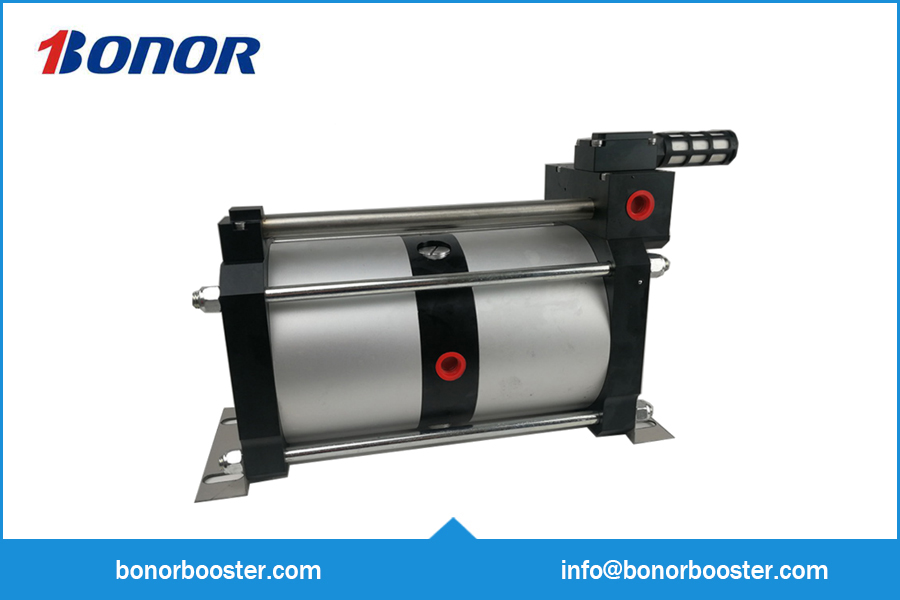
3.Pneumatic Systems: For gas-based testing, pneumatic systems are used to pressurize the test specimen with compressed air or other gases. These systems must be carefully controlled to avoid dangerous over-pressurization.
4.Burst Testing Chamber: This is the enclosed environment where the test specimen is placed. It is designed to contain the pressure during the test and safely manage the forces generated during the burst process.
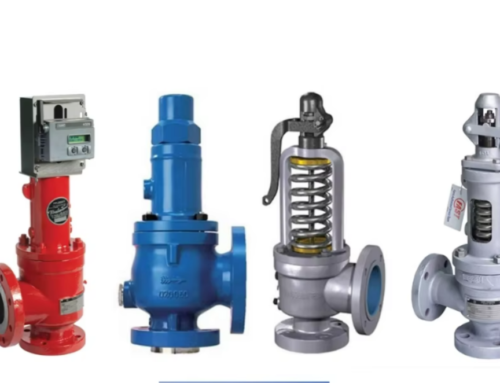
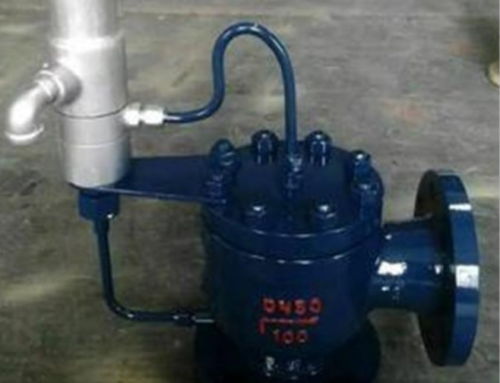
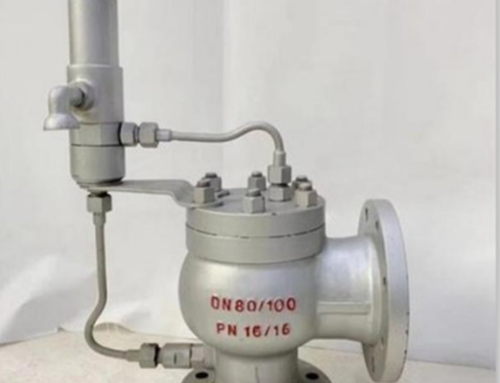
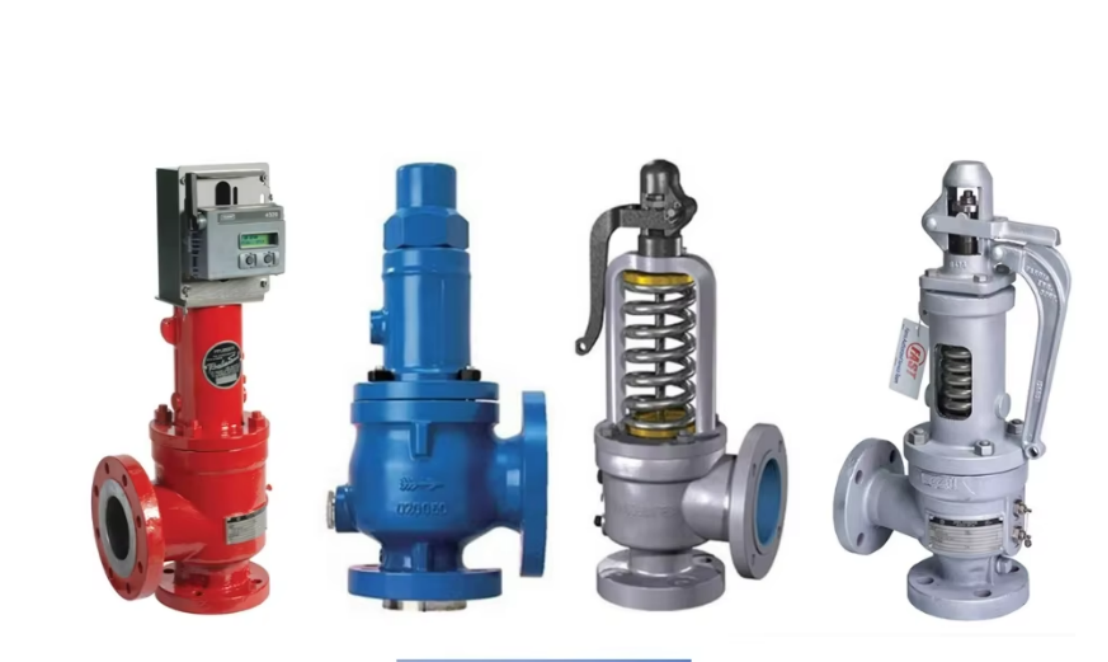
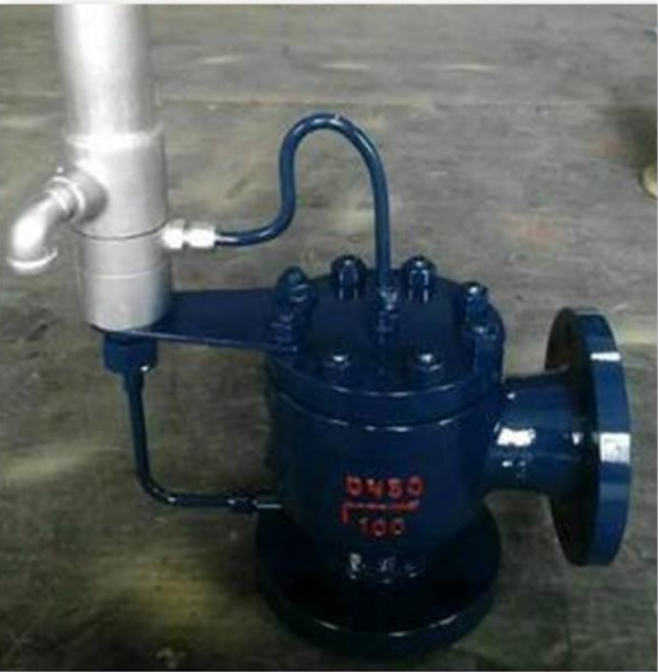
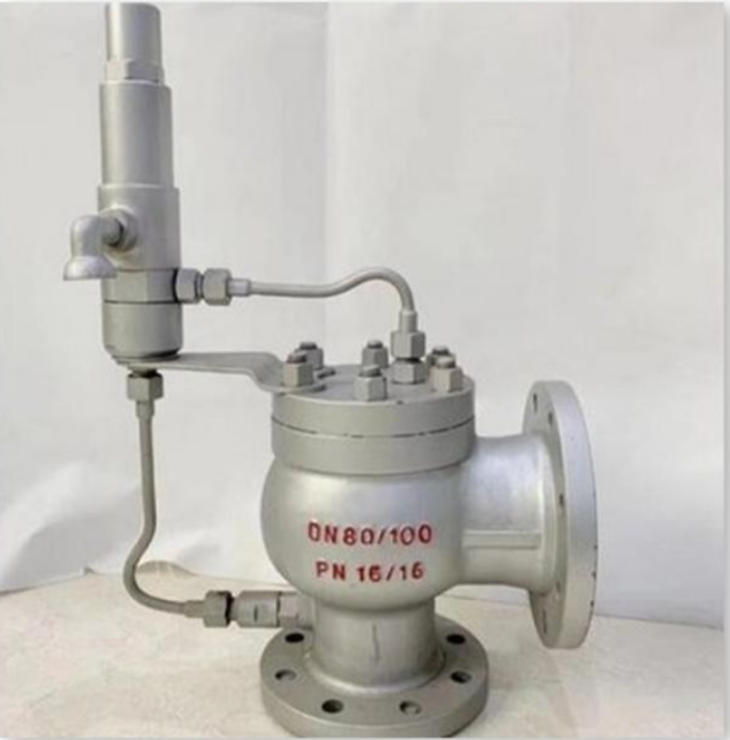
5.Safety Features: Most burst pressure test benches are equipped with safety mechanisms like pressure relief valves, emergency shut-off systems, and overpressure alarms to protect operators in case of equipment failure.
6.Data Monitoring and Logging Systems: These systems record and display data in real time, allowing operators to monitor pressure levels, test durations, and results.
A burst pressure test bench is a crucial tool for testing the burst strength of components exposed to high-pressure conditions. By utilizing hydraulic, pneumatic, or static testing methods, this bench helps verify the safety and durability of critical systems used in industries like oil and gas, automotive, aerospace, and manufacturing. The key components—like pressure transducers, hydraulic pumps, and burst testing chambers—work together to ensure reliable results and ensure the tested components can withstand extreme pressures.