
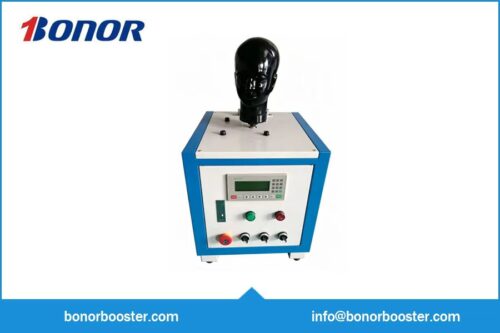
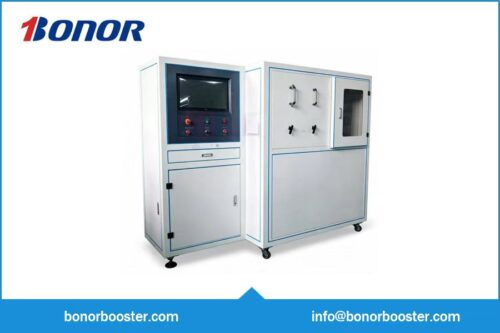
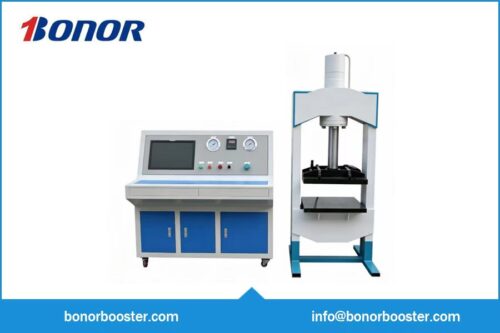
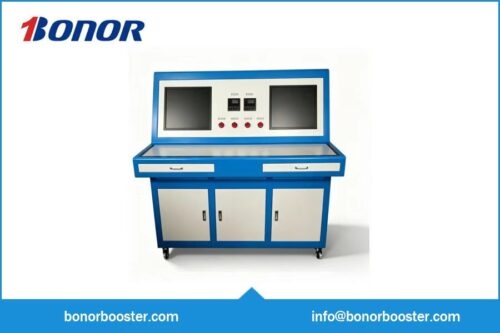
BONOR is a China manufacturer of firefighting testing equipment for fire protection product manufacturers, inspection laboratories, and quality control facilities. Our product range includes fire extinguisher cylinder testing machines, fire hose testing equipment, fire hydrant testing machines, sprinkler head testing machines, and fire extinguisher valve testing equipment.
These machines are designed to evaluate pressure resistance, sealing performance, burst strength, and other product-specific requirements, depending on the equipment model. Testing solutions can be selected according to the product type, test pressure, and applicable testing standards.
Contact BONOR to discuss your testing requirements and find suitable equipment for your fire protection products.


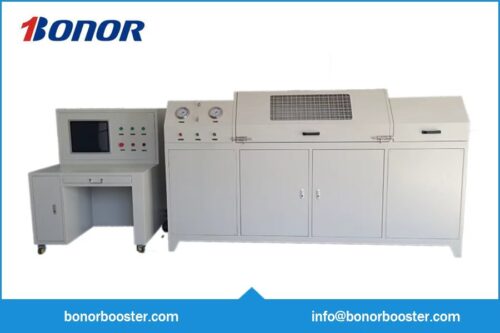
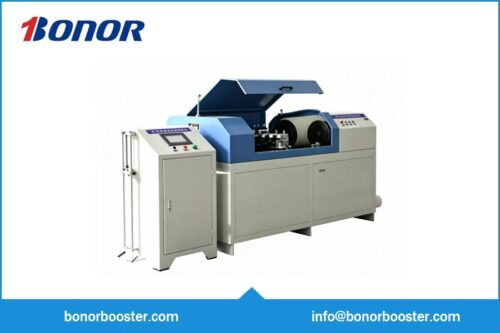
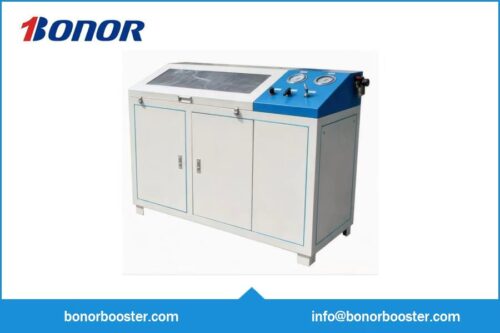
Firefighting Equipment Testing: What Each Test Actually Proves
Firefighting equipment is inspected on a schedule, and each item on that schedule answers a different question. An extinguisher cylinder hydrostatic test proves the pressure envelope is still sound. A hose burst test proves the reinforcement has not degraded. A valve test proves the extinguisher will actually discharge when someone needs it to. A hydrant and sprinkler test proves the water will arrive at the right pressure.
That is why this category is a set of specialised benches rather than one universal machine. Buying on the basis of 'fire equipment testing' alone usually produces a bench that does one job well and cannot be adapted to the others, when two smaller dedicated units would have covered the workshop.
Specification points by test type
- Cylinder hydrostatic test Cylinder diameters and volumes, test pressure, and whether the water-jacket expansion method is required. Extinguisher cylinders are usually tested at a multiple of the service pressure defined by the relevant standard.
- Hose burst and pressure test Hose bore and length, burst pressure, and the containment arrangement — a bursting hose releases a great deal of energy and must be restrained.
- Valve and head testing Valve thread standards, seat tightness criteria and the flow or discharge test method your standard requires.
- Hydrant and sprinkler testing Test pressure, connection sizes and the flow measurement method. These are usually separate benches from cylinder testing.
- Throughput and workshop layout Refurbishment shops pace on drying and valve work as much as on pressure testing, so plan the stations together.
Test types and what they prove
| Test | Proves | Typical bench |
|---|---|---|
| Cylinder hydrostatic | Pressure envelope integrity and permanent expansion within limits | Water-jacket or direct-pressure cylinder bench |
| Hose burst / pressure hold | Reinforcement strength and coupling retention | Hose burst bench with containment |
| Valve seat tightness | The extinguisher will seal and discharge correctly | Valve test fixture with leak measurement |
| Hydrant / sprinkler | Flow and pressure performance at the point of use | Hydrant or sprinkler test bench |
The standard decides the pressure
Extinguisher work commonly references EN 3, ISO 7165 or GB 4351 depending on the market; hose references EN 14540 or the relevant national standard; sprinkler heads reference GB 5135 or the applicable listing requirement. Test pressures differ between them. Confirm the standard your inspection body applies before specifying a pressure rating — buying for the highest figure you have seen quoted is a common and expensive mistake.
Frequently asked questions
Can one bench test both extinguisher cylinders and hoses?
How often must extinguisher cylinders be tested?
Do I need to measure expansion or only hold pressure?
What about CO2 extinguishers specifically?
Firefighting test benches
- Fire extinguisher cylinder hydrostatic pressure testing machine
- Fire hose hydrostatic burst test machine
- Fire hose testing machine
- Fire hydrant testing machine
- Fire extinguisher valve testing machine
- Water pressure sealing and strength testing machine for sprinkler heads
- Gas filling machine (CO2 and HFC-227ea)
Need help specifying? Send us your test pressure, specimen range and the standard you work to — talk to our engineers or use the inquiry form on any product page.