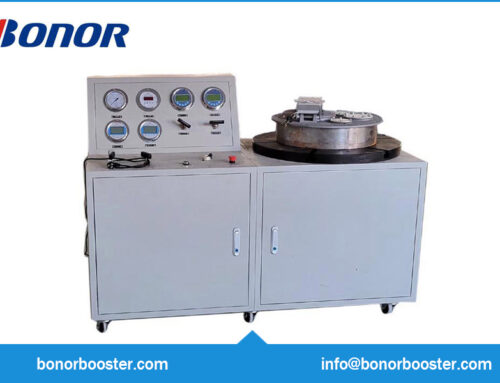
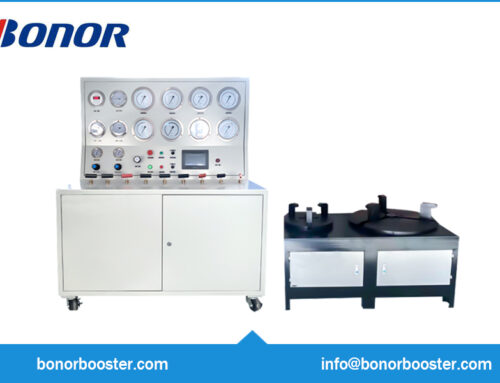
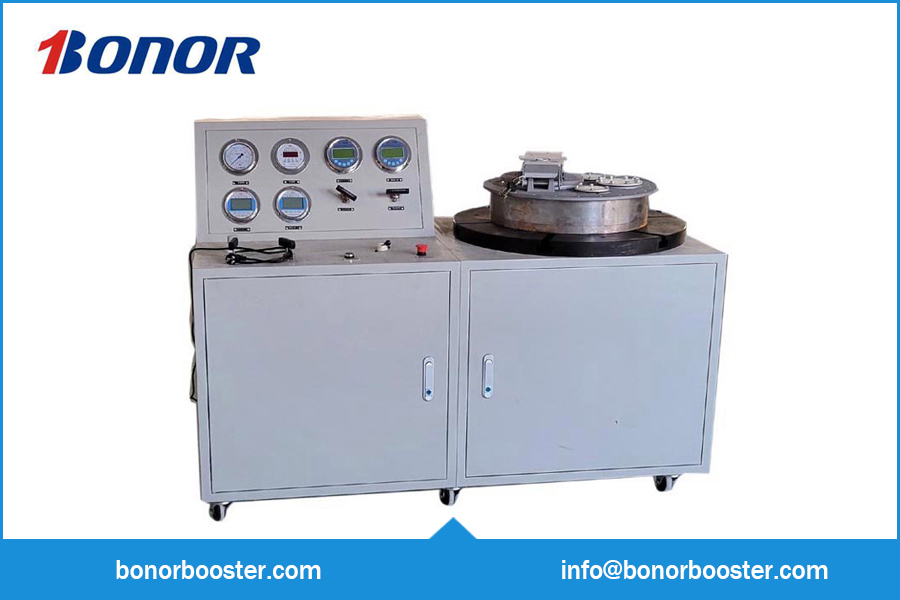
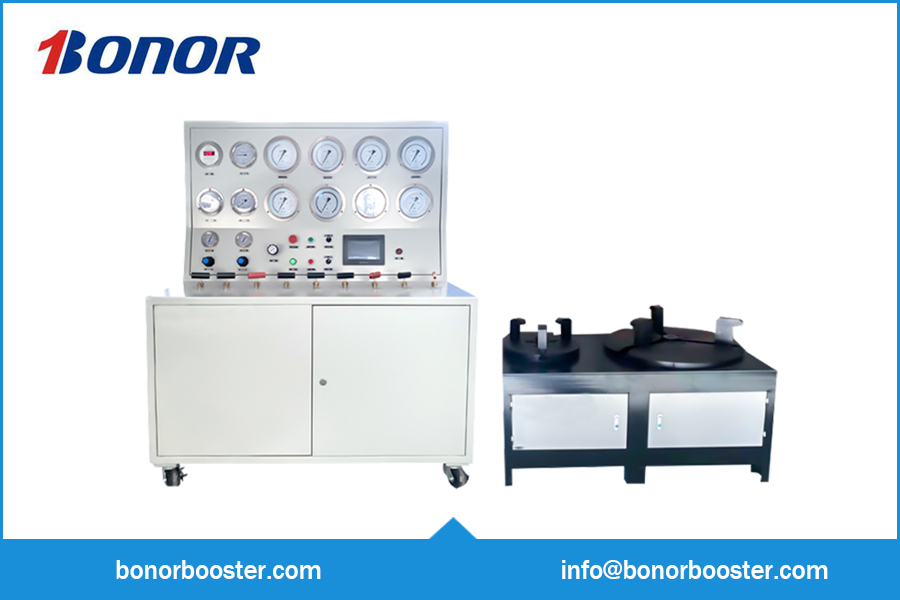
When choosing a burst pressure test bench, understanding its key features is essential for selecting the right equipment for your needs. A burst pressure test bench ensures that pipes, valves, hoses, and other pressure vessels can withstand extreme pressures before they fail. Below are the most critical factors to consider when evaluating a burst pressure test bench:
一、 Pressure Range: How High Can the Test Bench Go?
The pressure range of a burst pressure test bench is one of its most important features. It determines the maximum pressure that can be safely applied to the test specimen. Depending on the industry application, different pressure ranges are required.
Typical Ranges:
Low-pressure tests: 1,000 PSI (pounds per square inch)
Medium-pressure tests: 5,000 PSI
High-pressure tests: 10,000 PSI and above
For industries like oil and gas, aerospace, or automotive, the test bench must be able to handle high-pressure tests to ensure the reliability and safety of components. High-pressure test benches can simulate the extreme pressure environments found in real-world applications, helping identify potential failure points in the material before they occur in the field.
二、Measurement Precision: Accuracy in Pressure Measurement
Accuracy in pressure measurement is critical for ensuring that the burst pressure is correctly recorded. An inaccurate reading can lead to faulty data and unreliable test results.
1.Pressure Gauges: The test bench typically includes digital pressure transducers or analog gauges to provide precise measurements during the test. These gauges need to be calibrated to ensure they can accurately measure even the smallest pressure changes.
2.Tolerance Levels: Precision is usually expressed in terms of % of full scale, with many high-quality test benches offering ±0.1% accuracy for pressure measurements.
3.Data Logging: Advanced burst pressure test benches often have integrated data logging systems that record the pressure over time. This allows for detailed analysis of the test results and ensures that pressure measurements are consistently accurate.
三、 Capacity and Size: Suitable for Different Sizes of Test Specimens
The capacity and size of the test bench determine which components it can accommodate. Depending on the test’s requirements, it may need to support a variety of sizes for pipes, valves, hoses, or other pressure vessels.
1.Test Specimen Sizes: A good test bench should be capable of testing both small components (e.g., fittings or valves) and large industrial pieces (e.g., high-pressure pipelines).
2.Small-Scale Tests: For smaller components like valves and hoses, the test bench may be designed to hold only one specimen at a time.
3.Large-Scale Tests: For larger components like pipeline sections, test benches may be equipped with larger chambers that can hold these pieces securely.
The ability to handle different specimen sizes is especially important for industries that deal with a wide range of component sizes, such as manufacturing and construction.
四、Safety Features: Ensuring Safe Operation During High-Pressure Testing
Given the inherent risks involved in burst pressure testing, safety features are paramount. The test bench should be designed with a variety of safety mechanisms to ensure that both operators and equipment are protected from harm.
1.Overpressure Protection: Many test benches are equipped with pressure relief valves or overpressure protection devices. These systems automatically release pressure if it exceeds safe levels, preventing accidents or equipment damage.
2.Automatic Shutoff: Some advanced test benches feature automatic shutoff systems that will stop the pressure buildup once the component reaches its burst point. This ensures that the pressure test is concluded safely and promptly.
3.Emergency Systems: For added safety, emergency stop buttons, alarm systems, and pressure containment chambers are often included. These features allow operators to intervene quickly if something goes wrong.
The key features of a burst pressure test bench ensure that your testing process is both accurate and safe. With a wide pressure range, high measurement precision, and the ability to test a variety of component sizes, the test bench is a crucial tool in industries like oil and gas, automotive, aerospace, and manufacturing. Moreover, essential safety features such as overpressure protection and emergency shutoffs help ensure safe operation during high-pressure tests, making these benches critical for maintaining safety standards across various industries.