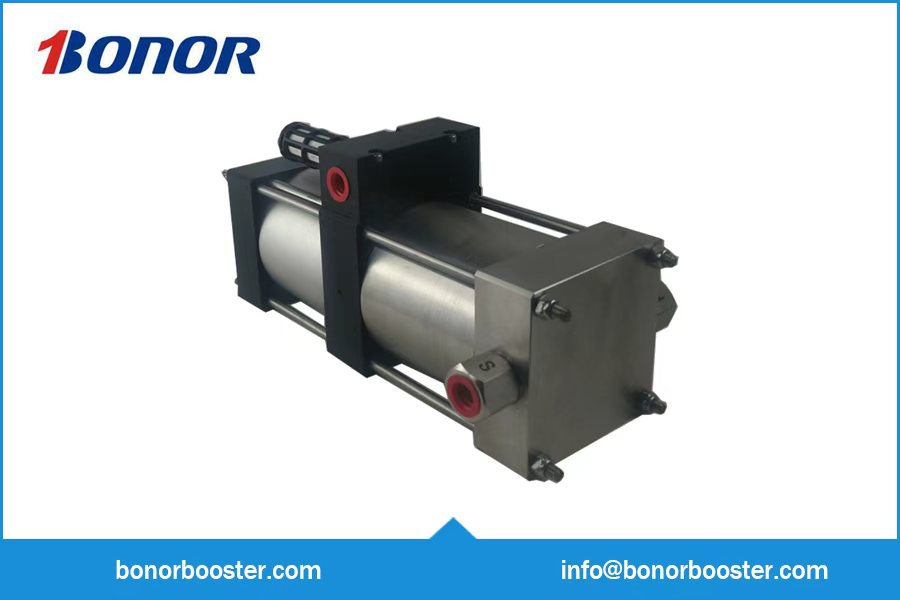
A Pressure Relief Valve Test Bench is a specialized piece of equipment used to test the functionality and safety of pressure relief valves. These valves are critical in preventing overpressure in various systems, such as boilers, pipelines, and tanks. A pressure relief valve is designed to open and release pressure when it reaches a set limit, thus safeguarding the system from potentially dangerous pressure buildup. The test bench ensures these valves are operating correctly before they are used in real-world applications.
Definition and Purpose
The primary purpose of a pressure relief valve test bench is to assess the performance and safety of pressure relief valves. By simulating real-world conditions, the test bench ensures that the valve opens at the correct pressure and releases it safely, preventing accidents like system ruptures or explosions. The test bench helps verify the accuracy of the set pressure, the valve’s response time, and its ability to reseal once pressure is relieved.
Without proper testing, there could be risks of faulty valves that fail to open at the designated pressure, or fail to close properly, which can lead to equipment damage or safety hazards.
How It Works
Testing a pressure relief valve involves applying controlled pressure to the valve to ensure it opens and functions as expected. Here’s a simple breakdown of the testing process:
1.Preparation: The valve is securely mounted on the test bench, which is connected to a pressurized system.
2.Pressure Application: The test bench uses a pump or pressure system to gradually increase pressure until it reaches the valve’s specified set point.
3.Observation: As pressure is applied, the technician observes whether the valve opens at the correct pressure. The valve’s response is monitored to ensure it opens and releases pressure as intended.
4.Pressure Relief & Resealing: After the valve opens, the pressure is released, and the technician checks if the valve reseals properly once the pressure drops below the set point.
5.Data Recording: The test results, including the pressure at which the valve opened and resealed, are recorded to ensure the valve meets all required specifications.
The entire process simulates the real-world conditions the valve will encounter during operation, ensuring it can handle overpressure situations safely and efficiently.