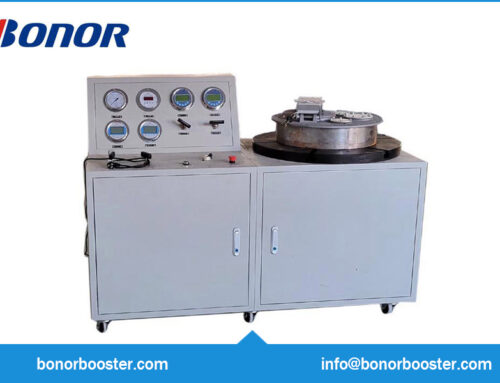
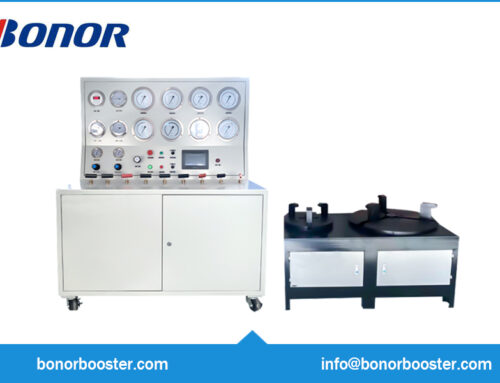
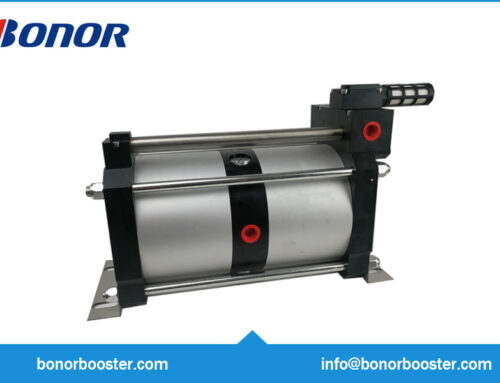
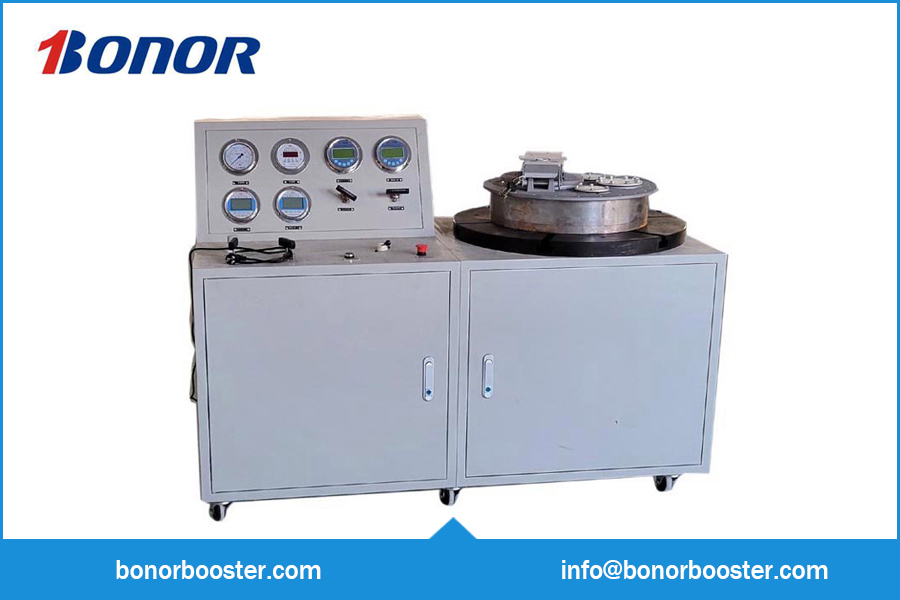
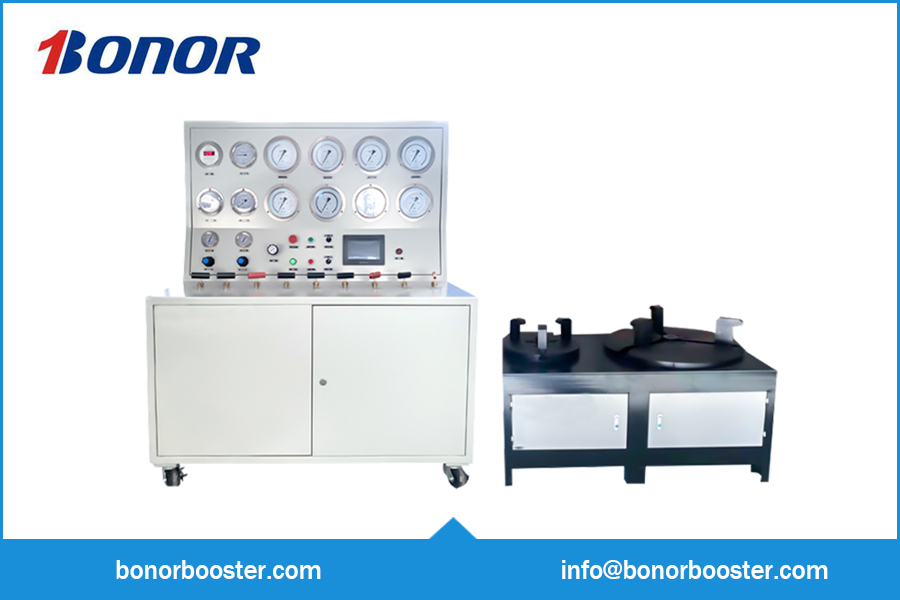
Understanding the cost range is crucial when choosing a burst pressure testing bench. Prices can vary significantly depending on testing requirements, system specifications, and additional features. Below are approximate price ranges for different types of benches to help you make an informed decision within your budget.
- Entry-Level Bench: $5,000 – $15,000
Entry-level burst pressure testing benches, suitable for simple, low-pressure testing needs, are typically suitable for smaller-scale applications such as laboratories, small production facilities, or educational use.
Features: Typically support lower pressure ranges (e.g., below 1,000 PSI) and have limited automation features.
Applications: Primarily used for testing small pipes, components, or small equipment.
- Mid-Range Systems: $15,000 – $50,000
Mid-range burst pressure testing benches are suitable for medium-sized businesses or applications requiring a medium pressure range. These systems offer higher accuracy and more features, making them suitable for industries requiring greater automation.
Features: Supports a wider pressure range (1,000 PSI to 5,000 PSI) and is typically equipped with automated operation, reducing human intervention.
Applications: Commonly used in the automotive, aerospace, or manufacturing industries for testing medium-pressure applications such as fuel lines or hydraulic systems.
III. High-End Industrial Systems: $50,000 – Over $200,000
High-end industrial burst pressure test benches are typically suitable for complex industrial applications requiring extremely high pressure ranges (above 10,000 PSI) and customized needs. These benches can withstand higher workloads and are suitable for testing on large production lines or in harsh environments.
Features: Supports very high pressure ranges (up to 20,000 PSI or higher) and is equipped with high automation, precise measurement, and real-time data monitoring.
Applications: Widely used in oil and gas, chemical manufacturing, aerospace, and other fields for testing large pressure vessels, piping systems, etc.
What factors affect the cost of a burst pressure test bench?
When choosing a suitable burst pressure test bench, several factors will affect its final price. Here are some key factors:
- Pressure Range
Pressure range is a significant factor affecting cost. The maximum pressure of the testing system determines the range of applications it can handle. High-pressure testing systems require stronger components and more complex technology, leading to higher costs.
- Automation Level
The introduction of automation can significantly improve operational efficiency. Automated test benches reduce manual intervention, shorten test cycles, and ensure efficient and consistent test results. Higher levels of system automation generally result in higher costs.
- Customization Options
If your application has specific requirements (such as a particular testing environment, custom fixtures, or software), these customization options will increase the cost of the equipment. For example, customization based on specific industry standards (such as oil and gas) or integration of specific sensors and data acquisition systems may be necessary.
- Equipment Materials and Quality
High-quality materials, such as stainless steel or advanced alloys, can typically withstand high-pressure environments and resist corrosion. Therefore, these high-quality materials increase the manufacturing cost of the equipment.
- Additional Functions and Components
Some test benches may also be equipped with additional functions such as real-time data monitoring, automated control systems, safety valves, and remote control capabilities. The addition of these extra features will undoubtedly increase the overall cost of the test bench.
When purchasing a burst pressure test bench, you need to select the appropriate system based on your actual application requirements, budget, and expected performance standards. Entry-level test benches are suitable for more basic testing needs, while mid-range and high-end systems can meet more complex requirements and higher pressure tests. Considering factors such as pressure range, automation features, and customization needs will help you find the most suitable testing equipment in different price ranges.