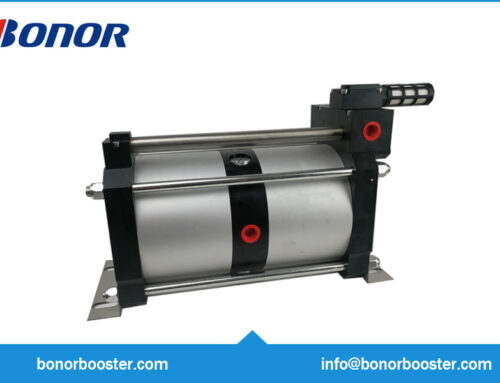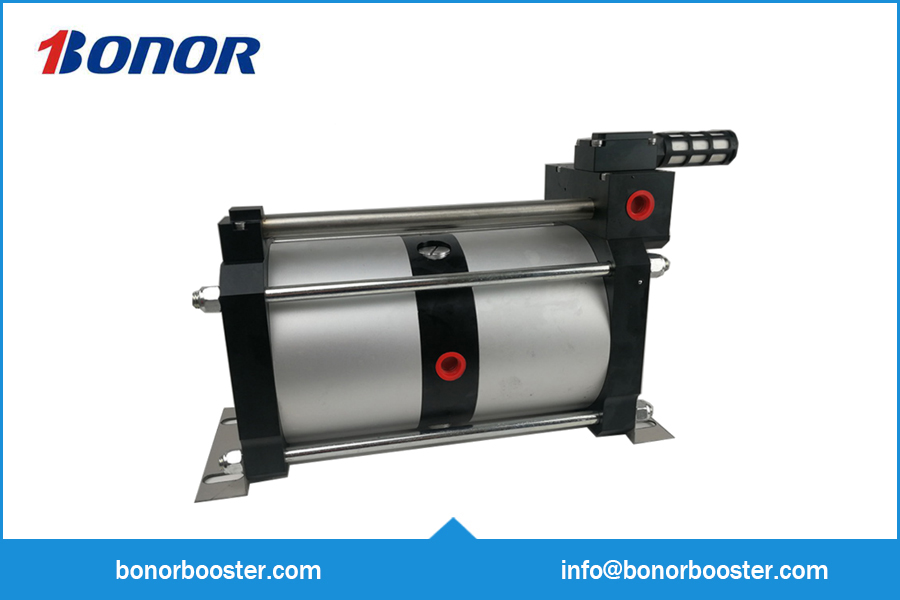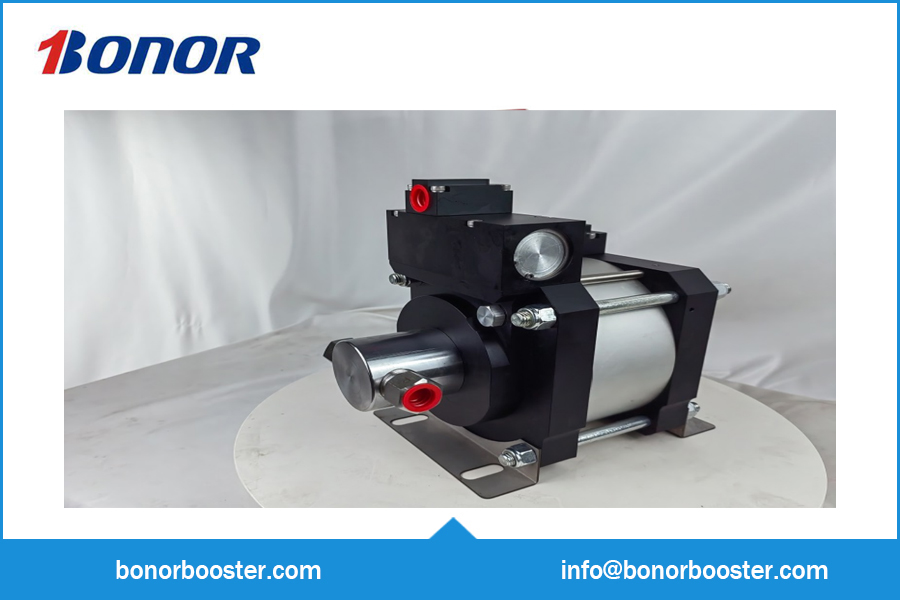
When selecting an air booster pump for your needs, it’s essential to consider several key features to ensure optimal performance and durability. Understanding these features can help you choose the right model based on your specific requirements.
| Feature | Description | Why It Matters |
| Pressure Range (PSI) | The maximum and minimum air pressure the pump can handle. | Ensures compatibility with your system’s pressure requirements. |
| Airflow Capacity (CFM or L/min) | The volume of air the pump can move, measured in cubic feet per minute (CFM) or liters per minute (L/min). | Determines the flow efficiency, critical for larger applications. |
| Material & Durability | Construction material (e.g., steel, aluminum) and resistance to wear, corrosion, or extreme conditions. | Ensures longevity, especially in harsh environments like mining or oil and gas. |
| Noise Levels | The decibel level produced by the pump during operation. | Affects the working environment and compliance with safety standards. |
| Energy Efficiency | How much power the pump consumes to deliver the required performance. | A more energy-efficient pump can reduce operational costs over time. |
- Pressure Range (PSI)
The pressure range of an air booster pump is a fundamental feature that determines its effectiveness in a specific application. PSI (pounds per square inch) refers to the maximum air pressure the pump can handle, and it plays a crucial role in whether or not the pump can meet your system’s needs.
What to Look For: If your application requires high-pressure air, ensure the pump can support higher PSI, such as 150 PSI or 200 PSI.
Why It Matters: Using a pump with the wrong pressure range can lead to inefficient operation or damage to equipment, resulting in downtime or additional maintenance costs.
- Airflow Capacity (CFM or L/min)
Airflow capacity is another critical feature. It measures the volume of air the pump can move within a certain time frame, typically expressed in CFM (cubic feet per minute) or L/min (liters per minute). The higher the airflow, the more efficient the pump is at powering tools and machinery.
What to Look For: Consider the airflow capacity based on the tools or equipment you’re powering. For example, a high-flow pump is needed in industrial applications like manufacturing or construction.
Why It Matters: Insufficient airflow can lead to underpowered equipment, resulting in poor performance or even system failure.
- Material & Durability
The material and durability of an air booster pump are essential factors, especially in harsh working environments. Whether it’s an industrial facility, a construction site, or an offshore oil rig, the pump must withstand challenging conditions.
What to Look For: Choose pumps made of corrosion-resistant materials like stainless steel or those with protective coatings to withstand extreme conditions, like high humidity or exposure to chemicals.
Why It Matters: A durable pump will reduce the need for frequent replacements and maintenance, saving you money in the long run. Durability also ensures the pump can handle heavy-duty operations.
- Noise Levels
Noise levels are an often overlooked but significant feature. Air booster pumps can produce varying decibel levels depending on their design and application.
What to Look For: If your operation is in a noise-sensitive area, such as an indoor facility or residential area, choose an air booster pump with lower noise output.
Why It Matters: High noise levels can cause hearing damage to workers and might even violate occupational safety standards. A quieter pump can also improve the working environment, making it more comfortable for everyone.
- Energy Efficiency
Energy efficiency is an essential consideration when purchasing an air booster pump. The more efficient the pump, the less power it requires to provide the same level of performance.
What to Look For: Look for pumps that offer energy-saving technologies or those labeled as energy-efficient by standards like Energy Star.
Why It Matters: An energy-efficient air booster pump can reduce your operational costs over time by lowering electricity usage, especially in high-demand systems that run continuously.
When choosing the right air booster pump for your operation, always consider these key features: pressure range, airflow capacity, material durability, noise levels, and energy efficiency. By selecting a pump with the right combination of these characteristics, you can ensure optimal performance, longevity, and cost-effectiveness. Whether you’re using it for pneumatic tools, industrial air systems, or automotive applications, choosing a high-quality air booster pump will improve efficiency and reduce downtime.