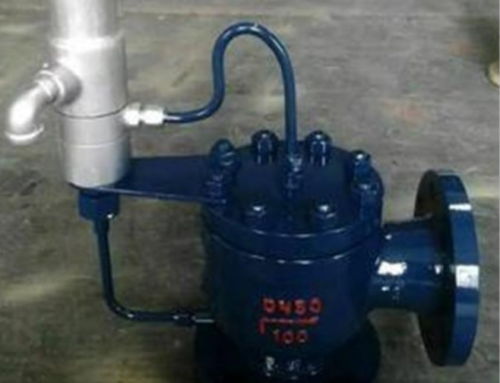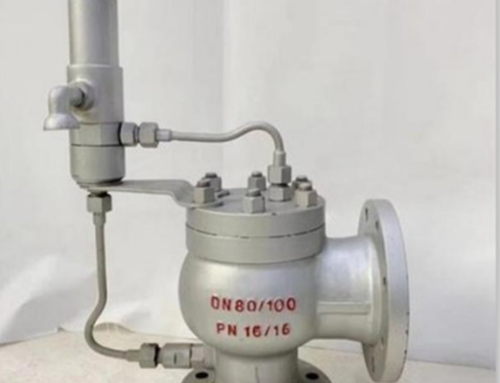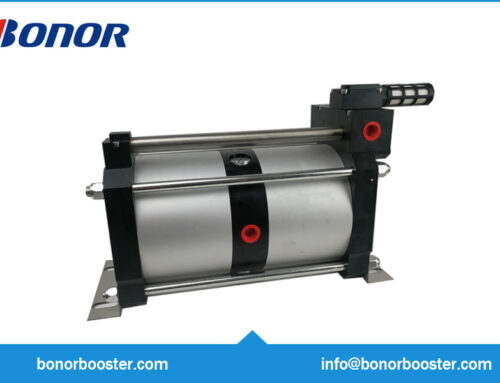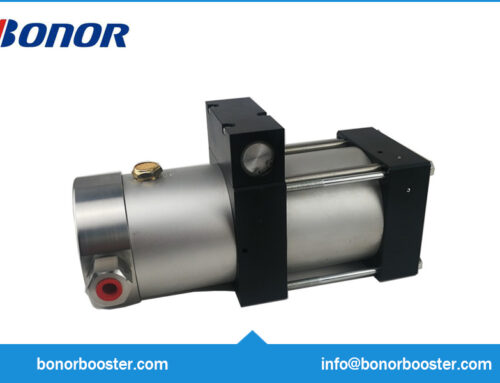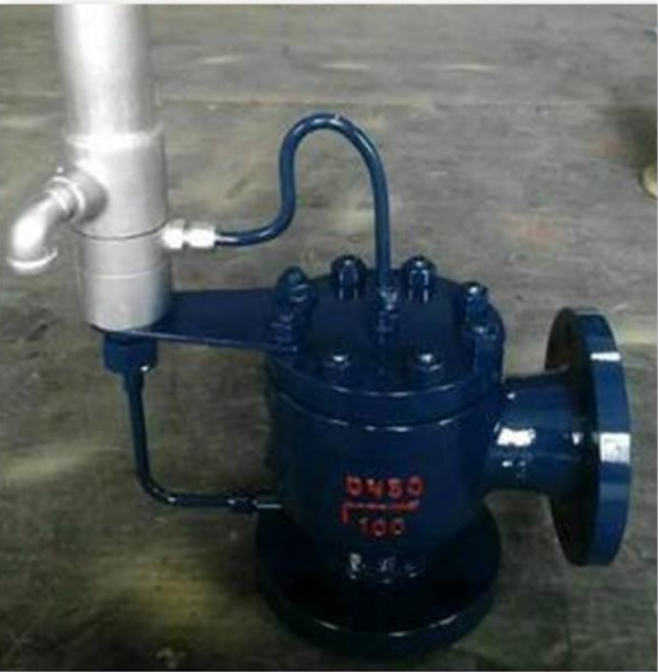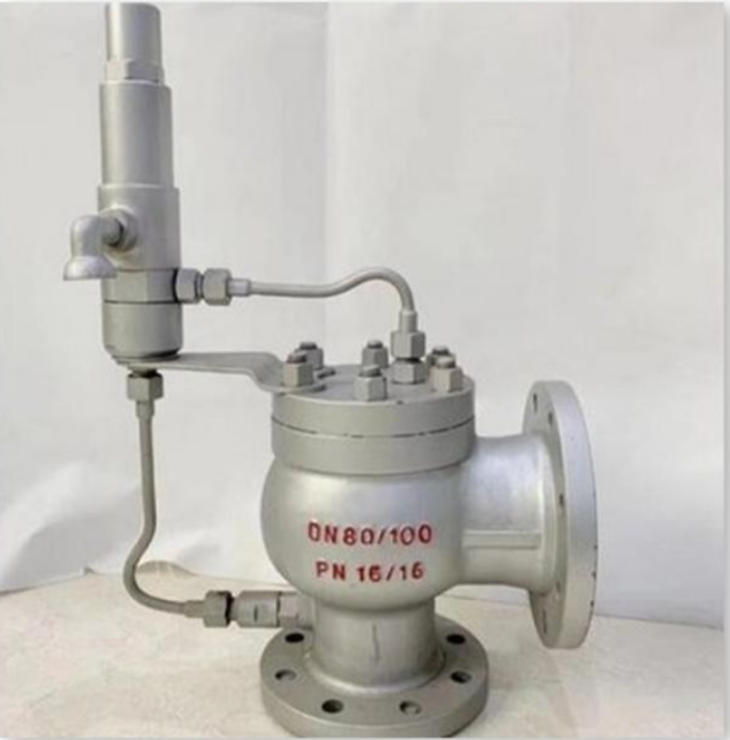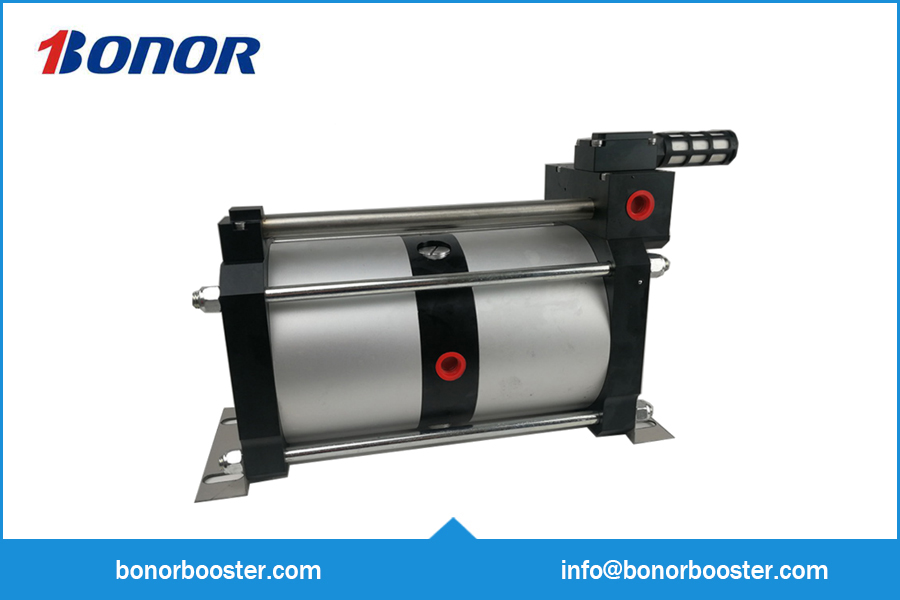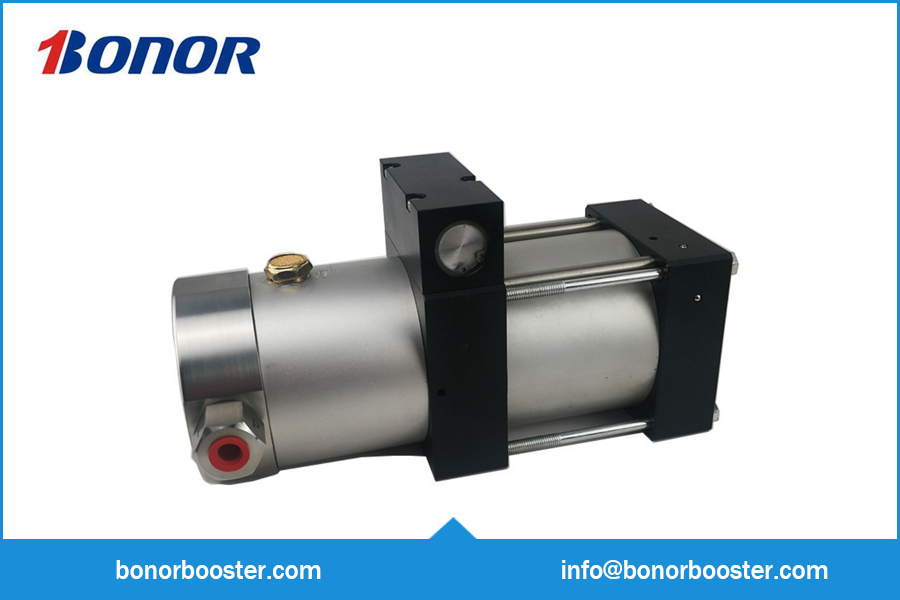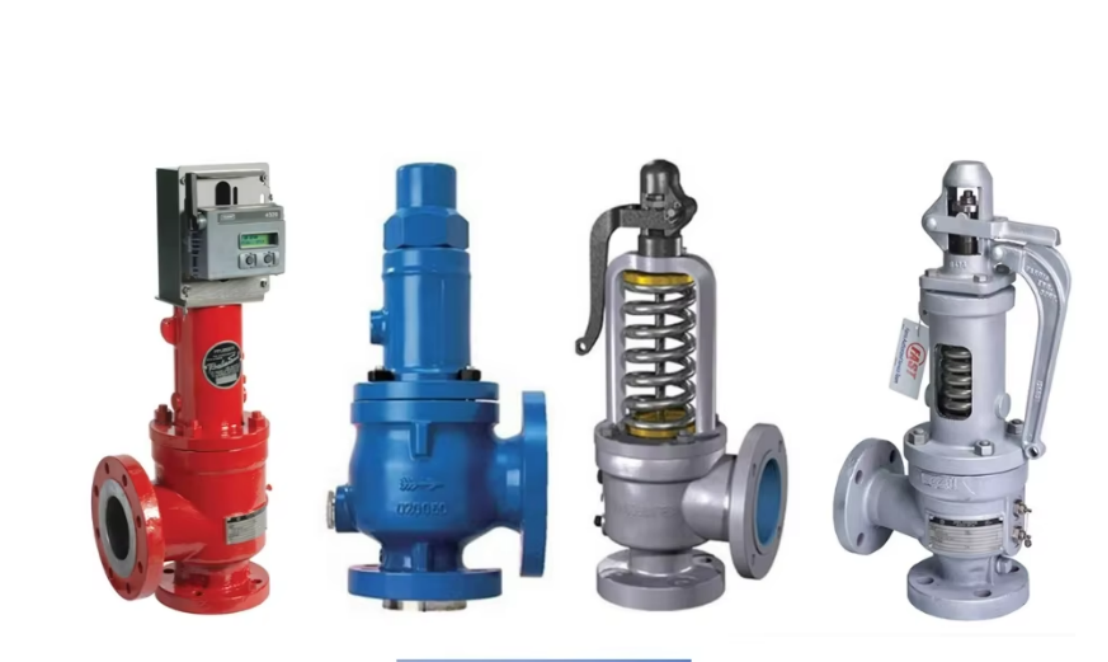
When it comes to safety valve testing, a safety valve test bench is an essential tool used across industries to ensure safety valves operate efficiently and reliably under pressure. By understanding how a safety valve test bench works, you can appreciate why regular testing is crucial for preventing equipment failure, maintaining safety standards, and ensuring compliance with industry regulations.
一、Principles of Operation
At its core, a safety valve test bench is a system designed to test the performance of safety valves by simulating their working conditions. The primary objective is to ensure that the valve opens and closes at the correct pressure, thus safeguarding the system it’s protecting.
1.Pressure Simulation: The test bench creates a controlled environment where the valve is subjected to varying pressures, mimicking real-world operating conditions. The pressure is gradually increased to determine at what point the valve opens (blow-off pressure) and shuts.
2.Leakage Testing: It also checks for any leaks around the valve seat and sealing areas, which could compromise its effectiveness in preventing overpressure scenarios.
3.Calibration and Adjustment: The test bench allows for fine-tuning and calibration of the valve’s settings to ensure optimal performance, such as adjusting the set pressure or replacing seals and springs when needed.
二、Step-by-Step Overview of the Testing Process
The process of testing a safety valve involves several key steps, all designed to ensure the valve is operating according to specifications.
1.Preparation and Setup
The valve is mounted securely on the test bench.
A pressure gauge and other measuring instruments are calibrated to ensure accuracy.
The necessary fluids (e.g., water or air) are prepared depending on the test type.
2.Initial Pressure Application
The test bench gradually introduces pressure to the valve, simulating real-world conditions.
Key Metric: The valve’s opening pressure (also called set pressure) is monitored to verify if it aligns with manufacturer specifications.
3.Blow-Off Test
The valve is subjected to increasing pressure until it reaches the blow-off (opening) point. The blow-off test ensures that the valve opens at the correct set pressure to prevent dangerous overpressure.
4.Seat Leakage Test
After the valve opens, the pressure is held to check if any leakage occurs at the seat. A seat leakage test ensures that the valve doesn’t leak when closed, which would allow pressure to build up in the system.
5.Post-Test Inspection and Adjustment
After completing the tests, the valve is inspected for any signs of damage or wear.
Necessary adjustments are made, including recalibrating the valve or replacing any components (e.g., springs, seals) that no longer meet specifications.
三、Common Test Methods
There are several key test methods used with safety valve test benches to ensure the valve’s integrity and functionality:
1.Seat Leakage Test
This test checks for leaks around the valve seat when it’s supposed to be closed. Any small leak can result in pressure buildup and potential system failure.
2.Blow-Off Test
The blow-off test determines the valve’s set pressure—the point at which the valve opens to release pressure from the system. This ensures that the valve opens at the right time to protect the system.
3.Overpressure Test
The valve is exposed to pressure beyond its rated capacity to evaluate its response to extreme conditions. The goal is to confirm that the valve can handle overpressure scenarios without failing.
4.Functional Performance Test
This is a comprehensive test to ensure the valve operates properly in real-world conditions. It may include testing for response time, repeatability, and overall reliability under various pressures.
5.Visual Aid: A simple flowchart of the safety valve testing process can help break down each step for easier understanding.
By including these steps and methods in your testing process, you can ensure that safety valve test benches provide precise, accurate results, helping industries maintain safety, reduce downtime, and comply with industry standards.
Safety Valve Test Bench Importance
Compliance Requirements: National regulations (such as the “Special Equipment Safety Technical Specifications”) mandate regular calibration of safety valves.
Accident Prevention: Failed safety valves may cause explosions or leaks; calibration eliminates potential hazards.
Extended Lifespan: Regular calibration prevents valves from becoming stuck or corroded due to prolonged inactivity.
Enterprises should choose high-precision, easy-to-operate calibration benches and regularly maintain the equipment to ensure data reliability.