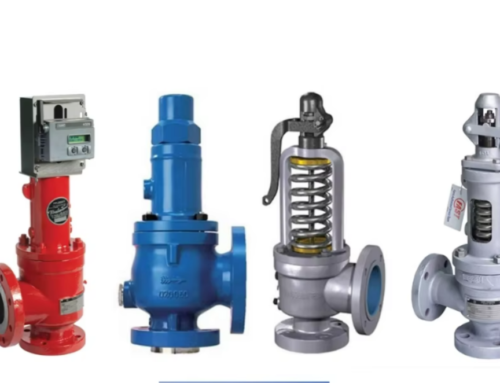
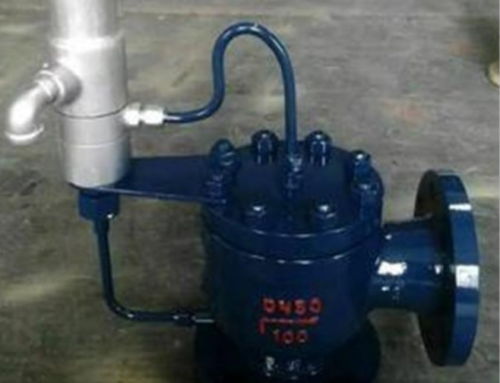
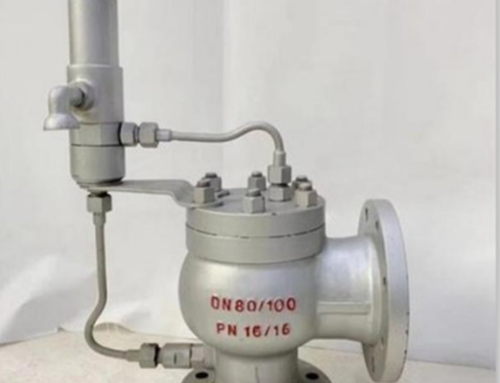
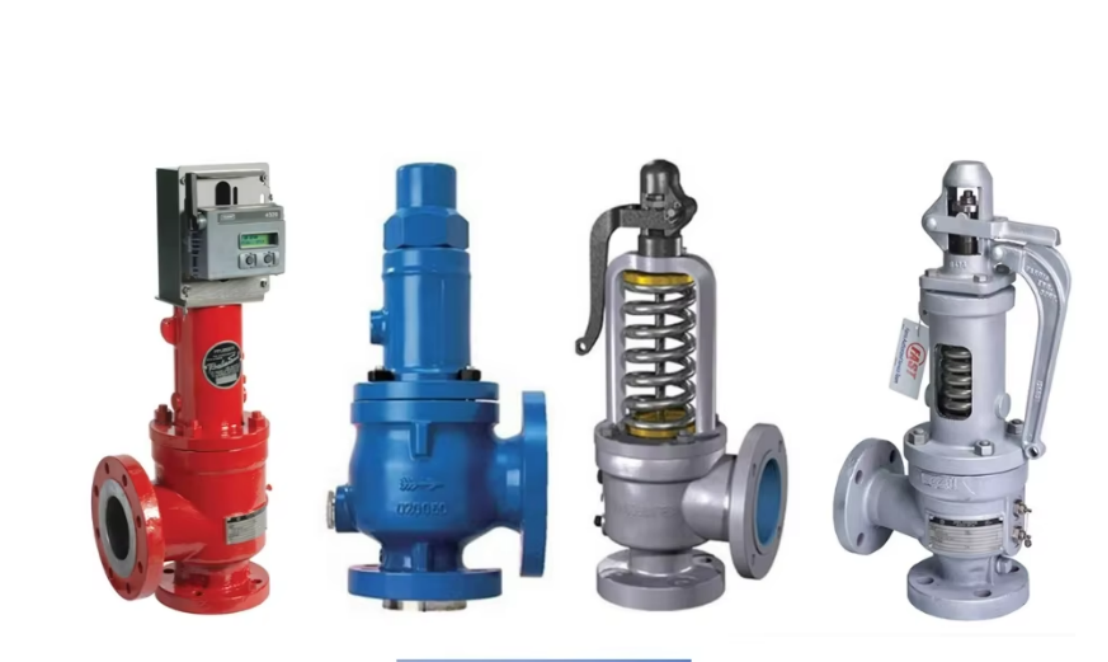
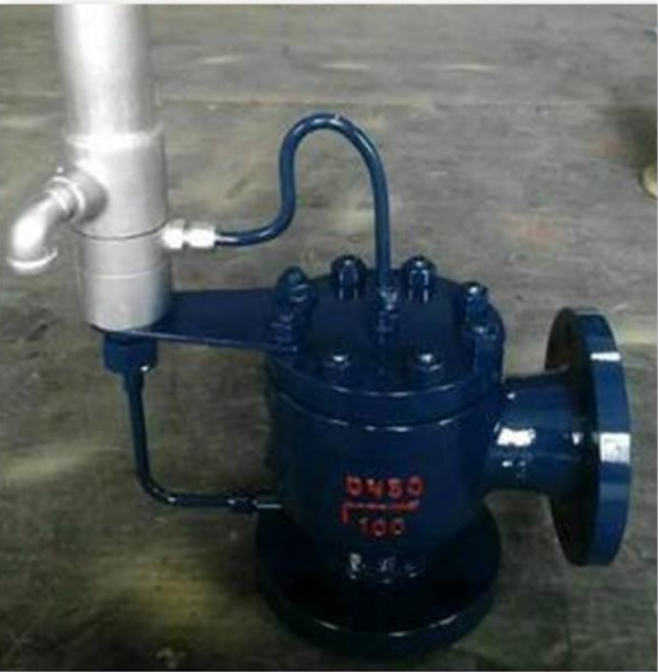
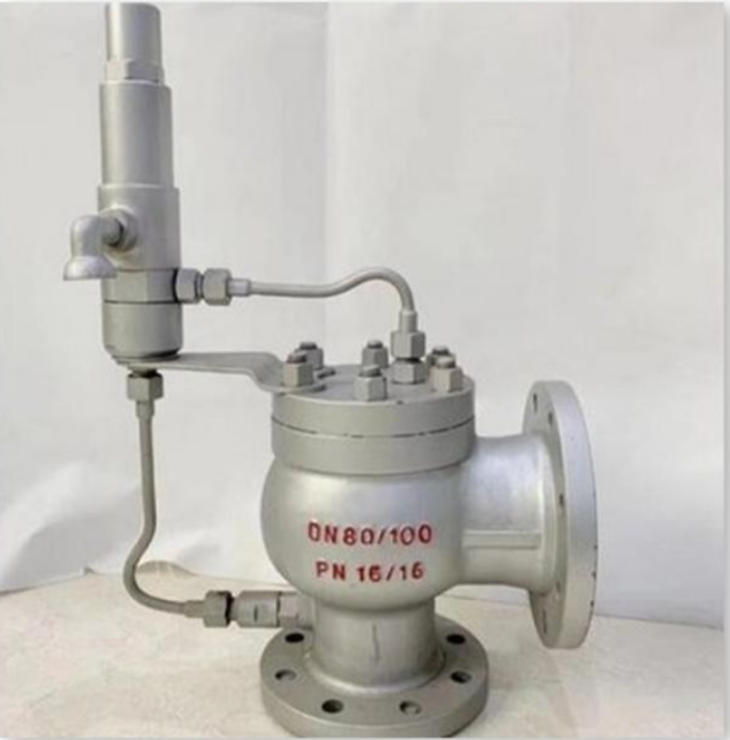
A Pressure Relief Valve Test Bench plays a crucial role in ensuring the safety and efficiency of pressure relief valves. To help you understand how these test benches work and why they are essential, here are the key features that define their performance:
一、Pressure Range: How Much Pressure Can These Benches Handle?
One of the most important aspects of any pressure relief valve test bench is its pressure range. These machines are designed to simulate real-world conditions and test valves across a wide spectrum of pressures.
Common Pressure Range: Modern test benches can handle pressure up to 10,000 PSI (Pounds per Square Inch) or even more, depending on the valve specifications. Some high-end models can test valves at extreme pressures, simulating the toughest operational environments.
Flexibility: This vast range allows testing of various types of valves used in industries like oil and gas, chemical manufacturing, and aerospace, where high-pressure systems are common.
Having the right pressure range ensures that the valve will function properly, even in the most demanding applications.
二、Test Accuracy: Why It’s Critical for Valve Performance
Test accuracy is a vital feature of a pressure relief valve test bench. Precise measurement of pressure is essential to ensure that the pressure relief valve opens and closes at the correct pressure points.
Precision Pressure Measurement: The test bench must measure pressure to the nearest 0.1 PSI (or even more precise), as even a small deviation in pressure can affect the safety of the system being tested.
Why Accuracy Matters: If the valve doesn’t open at the right pressure, it could either open too early (resulting in unnecessary pressure release) or too late (allowing dangerous overpressure conditions).
Accurate testing also helps meet industry standards and ensures compliance with safety regulations, such as those from the American Society of Mechanical Engineers (ASME) or API standards.
三、 Automation vs. Manual Testing: Which is Better for Valve Testing?
When it comes to testing pressure relief valves, businesses often have to choose between automated and manual testing systems. Each comes with its set of advantages and drawbacks.
Automated Testing Systems
Pros:
Consistency: Automated systems can perform tests with precise repetition, reducing human error.
Efficiency: They can conduct tests much faster, with minimal supervision required.
Data Logging: Automated systems often come with built-in software that records and analyzes test data, improving traceability and compliance.
Cons:
Initial Investment: Automation systems can be costly upfront, especially for high-end models.
Complexity: Some automation systems may require specialized training to operate.
Manual Testing Systems
Pros:
Cost-Effective: Manual systems tend to have lower initial costs compared to automated systems.
Simplicity: They are easier to operate for basic testing requirements.
Cons:
Inconsistent Results: Human error can result in inaccurate measurements or delays.
Slower Speed: Manual testing requires more time, especially when testing multiple valves.
四、Testing Speed: Automation vs. Manual Systems
Testing Speed is another important consideration. The speed at which a test bench can complete its testing process depends on whether it’s automated or manual.
Automated Testing Systems: These systems can test a valve in as little as 5-10 minutes. The automation allows for quick adjustments and pressure cycling, making them ideal for high-volume testing scenarios.
Manual Testing Systems: Manual setups may take significantly longer, often requiring 15-30 minutes per test, depending on the complexity and the number of valves being tested.
For companies needing high throughput or operating in environments where time is critical, automation is often the preferred choice
| Feature | Automated Test Bench | Manual Test Bench |
| Pressure Range | Up to 10,000 PSI or more | Up to 5,000 PSI or more |
| Test Accuracy | High precision (0.1 PSI) | Variable accuracy depending on operator |
| Speed of Testing | 5-10 minutes per test | 15-30 minutes per test |
| Automation | Full automation with data logging | Manual operation |
| Cost | High initial investment | Lower initial investment |
Pressure relief valve test benches are essential tools for ensuring the safety and functionality of critical systems. Choosing between automated and manual systems comes down to factors like budget, speed, and the level of precision required. Whether you need high-speed testing with precise results or a more affordable, manual approach, selecting the right test bench will ensure that your pressure relief valves operate safely under pressure.