
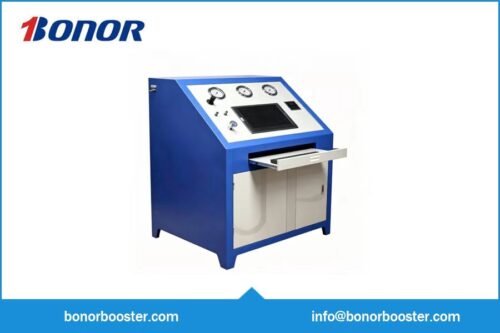
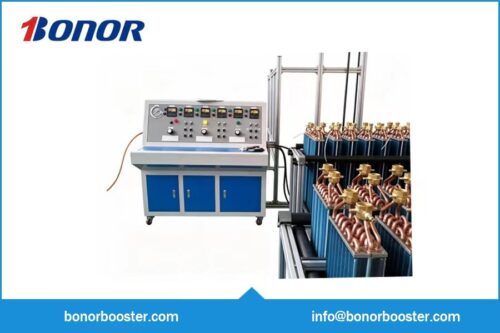
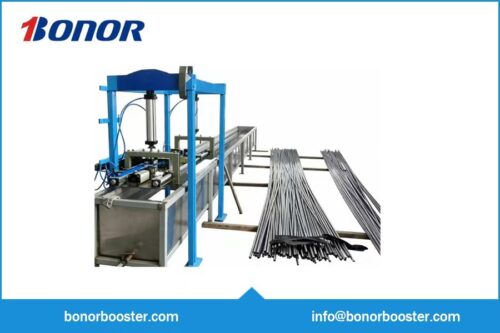
BONOR is a China manufacturer of Air Tightness Testing Machines for checking the sealing performance of components and assemblies. These machines detect air leaks in products such as valves, pipes, fittings, gas cylinders, automotive components, and other parts requiring leak testing.
Our equipment is suitable for manufacturing plants, quality control departments, and industrial testing facilities. Depending on the application, testing configurations can be selected according to workpiece dimensions, test pressure, leakage limits, and production requirements.
BONOR supplies air tightness testing solutions for different industrial applications. Contact us with your workpiece details and testing requirements to discuss a suitable machine for your production line or inspection process.
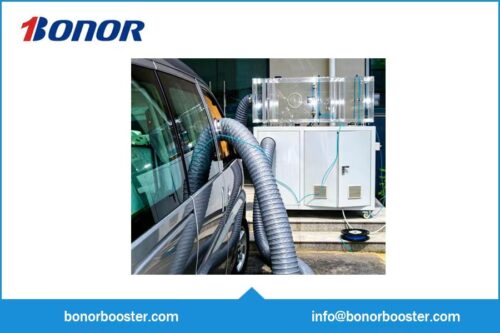
Air Tightness Testing Machines: Choosing a Leak Detection Method
Leak testing is a measurement problem before it is an equipment problem. The first question is not which machine to buy but what leak rate matters: a part that must hold vacuum for a decade and a casting that must not weep coolant need answers four orders of magnitude apart. Once the leak rate and the test volume are known, the method follows almost automatically.
Three methods cover most industrial work. Pressure decay measures the pressure drop in a sealed part over time. Differential pressure compares the part against a known-good reference volume, which cancels much of the thermal drift that plagues simple decay testing. Helium tracing detects the smallest leaks by mass spectrometry and is the method of choice where a specification demands it or where the part is too large or too compliant for pressure methods to resolve.
Five parameters that decide the method
- Target leak rate State it in a unit your customer and your machine both understand — Pa·m3/s, mL/min, sccm or bubble count — and convert before comparing quotations. Most selection errors are unit errors.
- Test volume and part compliance A large or flexible part changes volume with pressure and temperature, which swamps a pressure-decay signal. Differential pressure or helium is usually the answer.
- Cycle time available Pressure decay needs stabilisation time, sometimes several times longer than the measurement itself. If the line takt is short, the method has to change, not the machine.
- Temperature stability A part that cools after filling looks like it is leaking. Either control the temperature or use a method that compensates for it.
- Automation and integration Manual fixtures suit sampling. Production lines need PLC control, pass/fail signalling to a conveyor, and a fixture that seals repeatably without operator judgement.
Method comparison
| Method | Sensitivity | Strength | Limitation |
|---|---|---|---|
| Pressure decay | Moderate | Simple, dry, low cost | Slow on large volumes; sensitive to temperature drift |
| Differential pressure | Good | Compensates thermal effects, faster than decay on big parts | Needs a stable reference volume |
| Helium tracing | Highest | Finds very small leaks, locates them, works on large parts | Needs helium supply, recovery, and a vacuum or sniffing arrangement |
Do not buy a leak tester without a known-good and a known-bad part
The most reliable way to specify a leak test is to send, or bring, one part that is known to pass and one that is known to fail. A machine that separates those two parts, at the cycle time you need, is a machine that will work in production. A machine specified only from a leak-rate figure often cannot resolve the difference on the real component, and that problem surfaces after installation rather than before.
Frequently asked questions
What leak rate can a pressure decay tester detect?
Which method should I choose for a sealed assembly?
How long does a test cycle take?
Can a leak tester be integrated into an automated line?
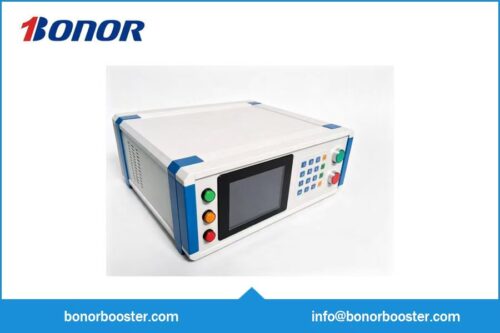
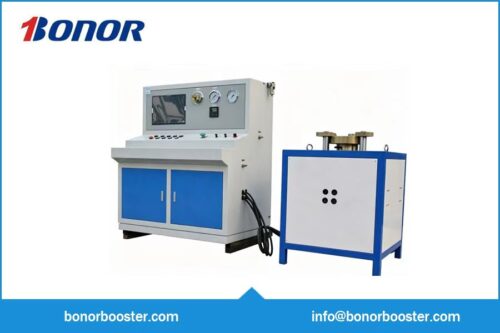
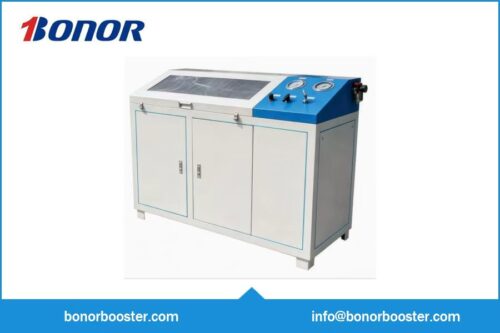
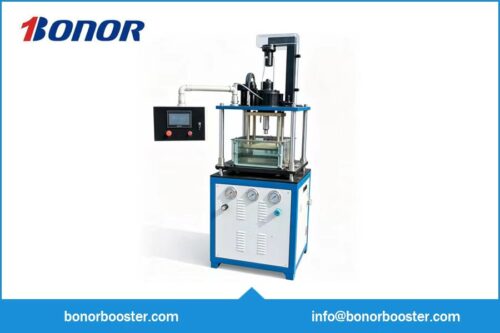
Leak test benches in this category
Need help specifying? Send us your test pressure, specimen range and the standard you work to — talk to our engineers or use the inquiry form on any product page.