
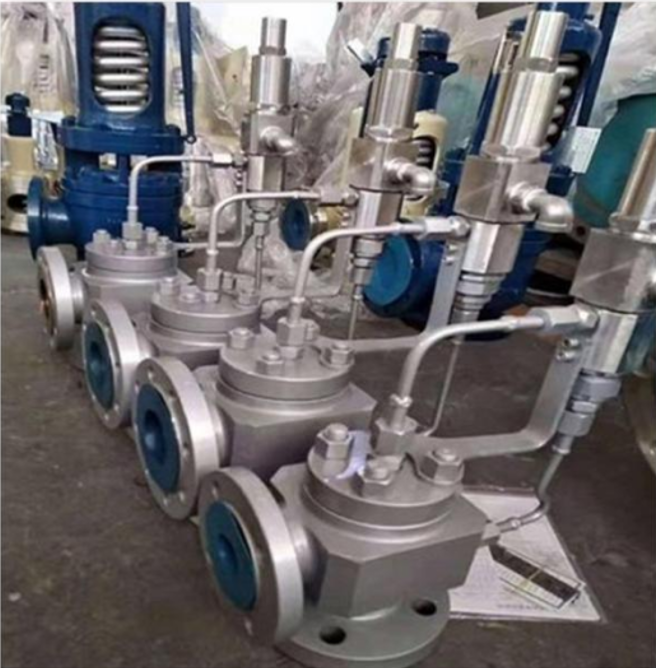
When selecting a safety valve test bench, it’s essential to focus on the features that ensure accurate, reliable, and efficient testing. A test bench should not only meet industry standards but also provide flexibility to accommodate various valve types and testing requirements. In this section, we’ll highlight the key features that make a safety valve test bench stand out in terms of performance, ease of use, and safety.
| Feature | Why It Matters |
| Accuracy and Precision | Ensures proper valve calibration, preventing system failures |
| Flexibility & Adaptability | Accommodates various valve sizes and types for diverse industries |
| Ease of Operation | Streamlined operation for faster, efficient testing |
| Safety Features | Provides overpressure protection to avoid dangerous failures |
1. Accuracy and Precision
At the heart of every safety valve test bench is accuracy. Without precise pressure measurement and testing, even the best valves may fail to perform in high-stress situations.
Why It’s Important: Inaccurate readings can lead to catastrophic results, such as unplanned shutdowns or even system failures. The accuracy of a safety valve test bench ensures that valves open and close at the right pressure, thus preventing overpressure incidents in critical systems.
Key Metrics for Precision:
Pressure tolerance: Ensure the test bench can measure within a narrow range (e.g., ±0.1% of set pressure).
Calibration standards: Compliance with ISO and industry standards for valve testing.
2. Flexibility and Adaptability
A safety valve test bench must be able to handle various valve sizes and types, which is why flexibility is one of the most important features to consider.
Adjustable Pressure Ranges: Ensure the test bench supports a wide range of pressures. This is particularly important for industries like oil & gas, where safety valves may operate under extremely high pressures (up to 10,000 psi or more).
Custom Settings for Different Valve Sizes: Valves come in all shapes and sizes, and not every test bench can handle this variation. A flexible test bench allows for custom configurations, so whether you’re testing a small valve for a residential application or a large valve in a refinery, the bench will provide reliable results.
3. Ease of Operation: Automation vs. Manual Testing
When it comes to safety valve testing, the ease of operation can dramatically reduce downtime and improve the overall efficiency of the process.
Automation: Many modern safety valve test benches are automated, which allows for a hands-off approach to testing. This means faster testing, reduced human error, and the ability to log test results automatically for future reference.
Manual Testing: For simpler setups or specific valve types, manual testing may still be an option. However, this requires a skilled operator and is typically slower than automated systems.
Key Benefit of Automation: It streamlines the testing process, reducing human error and ensuring that test results are both accurate and reproducible.
4. Safety Features
Safety should be a priority when choosing a safety valve test bench. The purpose of the bench is to ensure that safety valves themselves are performing correctly, so the test bench must have its own safety features.
Overpressure Protection: To prevent dangerous situations, ensure that the test bench has built-in overpressure protection. This will prevent the system from exceeding the test pressure, which could damage the valve or cause an unsafe situation.
Emergency Shutdown Systems: In case of a malfunction or test failure, the test bench should be equipped with an emergency shutdown system. This ensures that any abnormal conditions are addressed immediately, protecting both the equipment and personnel.
Why These Features Matter: Industry regulations require these safety features to ensure the safe operation of critical systems, particularly in high-risk industries like oil & gas, power generation, and chemicals.
By considering these four key features—accuracy, flexibility, ease of operation, and safety—you can choose a safety valve test bench that meets your specific needs, ensuring reliable, safe, and efficient valve testing every time.
