
Valve Test Bench Manufacturer in China
BONOR manufactures valve test benches for pressure testing, sealing inspection, leakage detection, and valve performance evaluation. Our range covers different valve testing requirements, from routine pressure and sealing tests to operating torque and service life evaluation.
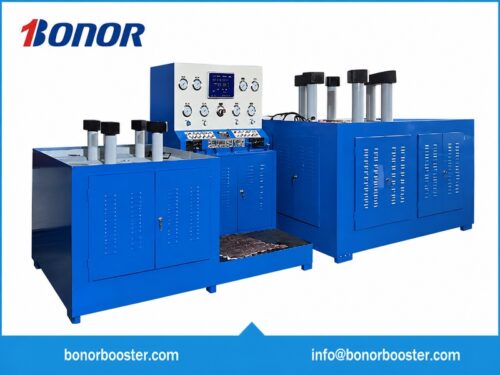
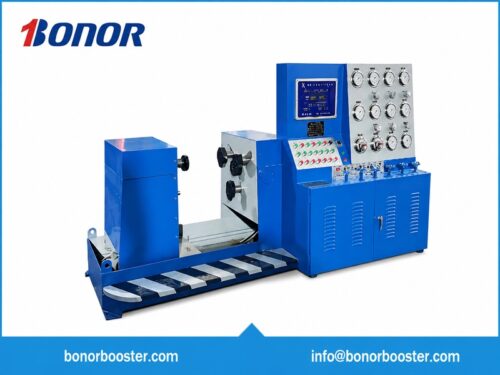
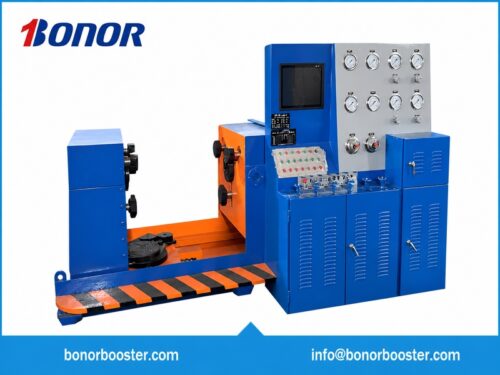
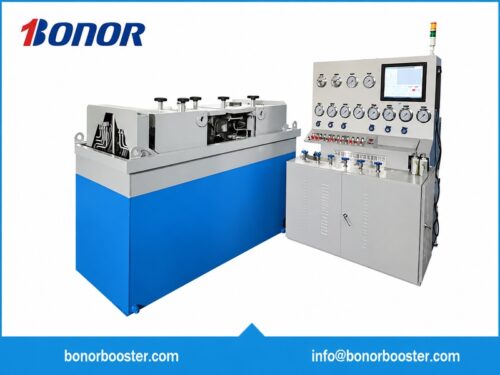
We offer butterfly valve test benches, horizontal valve test benches, vertical valve test benches, submerged hydraulic valve test benches, and valve torque test benches for valve manufacturers, industrial testing facilities, and equipment integrators.
Valve Testing Equipment for Different Applications
Different valve types and testing standards require suitable clamping methods, pressure control systems, and testing configurations. BONOR provides valve testing solutions designed around the valve size, connection type, test pressure, testing medium, and required test procedures.
Our equipment can support the following applications, depending on the selected configuration:
- Pressure and Shell Strength Testing: Evaluate valve body strength under specified test conditions.
- Sealing and Leakage Testing: Check valve sealing performance using suitable water or gas testing methods.
- Submerged Leakage Inspection: Identify leakage through visual inspection during applicable underwater tests.
- Torque and Life Testing: Measure operating torque and evaluate valve performance over repeated operating cycles.
Customized Valve Test Benches
BONOR understands that valve manufacturers may require different test pressures, valve sizes, clamping arrangements, and levels of automation. Available configurations may include hydraulic clamping, automatic pressure control, data acquisition, and single- or dual-station designs, depending on the machine model.
As a valve test bench manufacturer in China, we work with customers to identify suitable equipment for their production lines, quality inspection procedures, and project requirements.
Looking for the right valve testing equipment?
Contact BONOR with your valve type, size range, required test pressure, and testing requirements. Our team can help you identify a suitable configuration for your application.

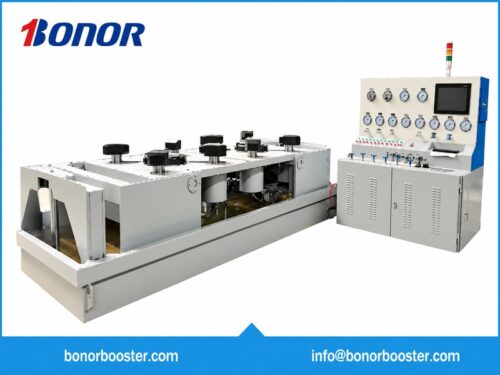
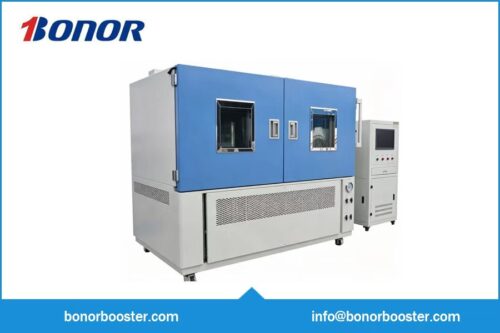

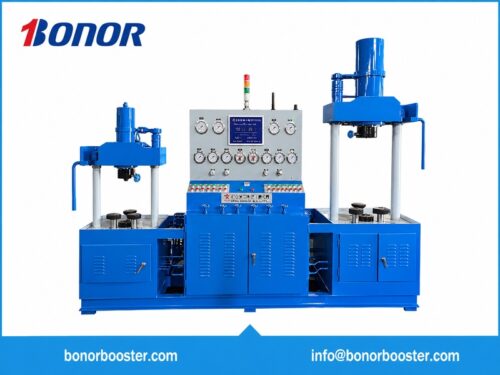
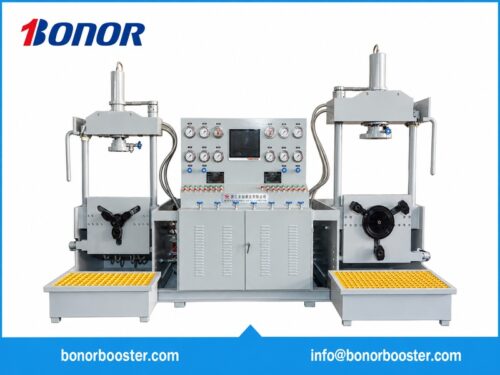
Valve Test Benches: Shell Test, Seat Test and the Clamping Question
An industrial valve has to pass two different pressure tests before it ships. The shell test pressurises the body with the valve partly open to prove the pressure envelope does not leak or distort. The seat test pressurises one side with the valve closed to prove the seat seals. They use different pressures, different acceptance criteria and often different fixtures, which is why a bench that only does one of them is only half a bench.
The other half of the specification is how the valve is held. Clamping benches grip the valve between sealing plates, which is fast and suits high volume. Submerged benches immerse the valve in a water tank so that a leak is visible as bubbles rising, which is slower but leaves no argument about where the leak is. Horizontal and vertical arrangements differ mainly in how large or awkward valves are loaded.
Specification points
- Valve size and pressure class range Nominal sizes, flange standards and pressure classes define the clamping plates, the sealing rings and the structural rating. List the extremes, including the largest valve you might ever accept.
- Shell and seat test both required Confirm the bench can do both, at the pressures each requires, and that switching between them does not need a rebuild.
- Test medium Water is usual for shell testing; air is used for certain seat tests and for drying afterwards. Some standards specify the medium, so check before choosing.
- Clamping force and sealing method Mechanical, hydraulic or pneumatic clamping, with sealing rings per flange standard. Clamping force has to be enough to seal without distorting the valve body.
- Submerged or dry Submerged testing makes leak location obvious and is often required for critical valves. Dry testing is faster and leaves the valve dry for packing.
- Recording Pressure, hold time, pass/fail and serial number per valve. For valve manufacturers shipping to project specifications, the certificate is part of the product.
Clamping versus submerged
| Type | Advantage | Trade-off |
|---|---|---|
| Clamping bench | Fast changeover, high volume, works at high pressure | Leak location less obvious; sealing rings must suit each flange |
| Submerged bench | Leak visible immediately, suits critical and small valves | Slower, water tank maintenance, valve must be dried |
| Horizontal / vertical arrangement | Matches how the valve is handled and loaded | Large valves may need crane access and a reinforced frame |
Which standard applies to which test
Shell and seat leakage acceptance is usually assessed against API 598 for general valves, API 6D for pipeline valves, ISO 5208 for industrial valves or EN 12266-1 for European work, and the pressure class comes from ASME B16.34 or the relevant product standard. The bench has to reach the test pressure those documents require and hold it for the stated duration — the pressure rating, not the valve size, is what usually drives the cost.
Frequently asked questions
What is the difference between a shell test and a seat test?
Do I need a submerged bench?
Can one bench cover 1 inch to 12 inch valves?
Water or air for seat testing?
Valve test benches
Need help specifying? Send us your test pressure, specimen range and the standard you work to — talk to our engineers or use the inquiry form on any product page.