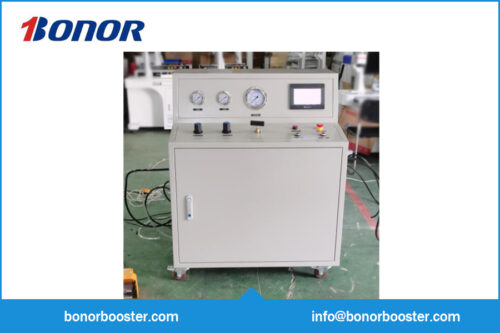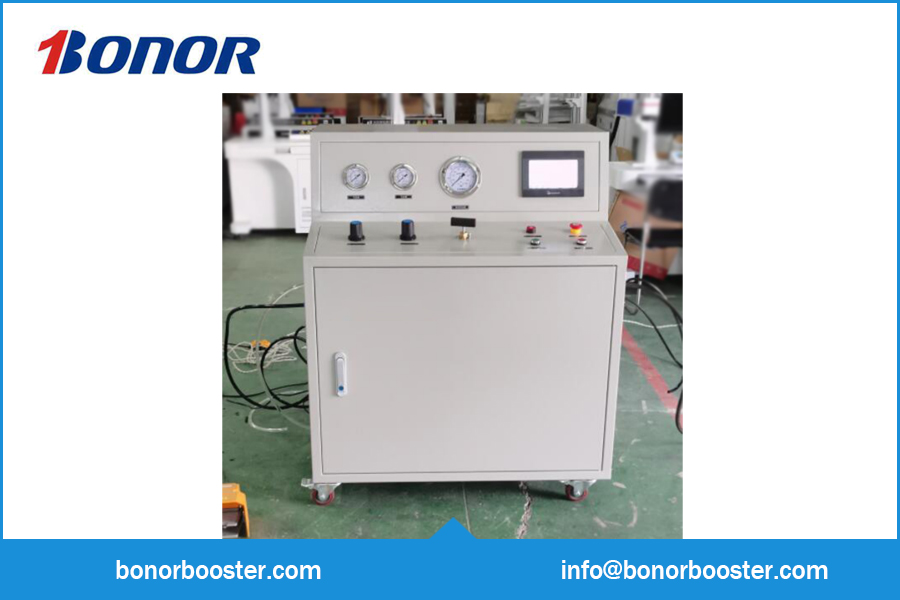
The Hydraulic Tube Expander For Radiators is built for controlled hydraulic tube expansion. Expansion is controlled to a set torque, pressure or dimension, so every joint in the bundle matches.
Description
What is hydraulic tube expander for for Radiators
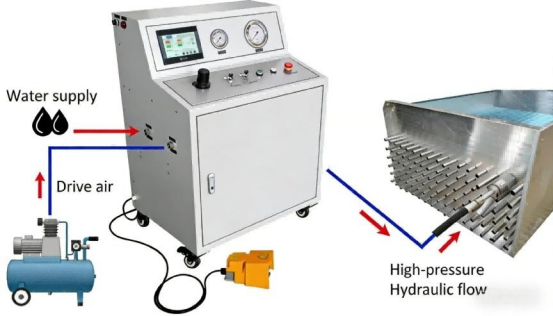
The radiator tube expander is a device specifically designed for hydraulic expansion of radiator tubes. It uses a pneumatic liquid pump to pressurize the radiator tubes, increasing their diameter (generally 0.3-0.4mm larger than the original diameter). This creates an interference fit between the radiator tubes and the heat sink fins, achieving a tight connection, rather than the traditional welding process.
Technical Parameters:
Expansion Pressure: 0-150 MPa (adjustable)
Working Medium: Clean water
Power Supply: 220 Volts
Drive: Compressed air 5-8 kg
Water Source: Purified water
Control Method: PLC/Digital display/Computer control
Pressure Control Accuracy: 2% FS
Number of Workstations: 1-2
Expansion Speed: 4-8 times/min
Minimum Expansion Hole Diameter: >10 mm
hydraulic tube expander for for Radiators Working Principle:
The pneumatic-hydraulic tube expansion machine is specifically designed for finned tube heat exchangers and is suitable for radiators, condensers, evaporators, intercoolers, and other equipment. Its core principle is to eliminate the gaps between the tubes, tube sheets, and fins through integrated expansion, creating a tight interference fit and preventing loosening.
The equipment is compatible with tubes made of stainless steel, copper, aluminum, and other materials, and can handle tubes of any length and shape, securely fixing them to the tube sheet and fins. The tube deformation after expansion is controlled within 0.3-1.2 millimeters, resulting in a reliable and durable connection.
Product Features:
Adjustable Pressure-Holding Value: Allows precise control over pressure to ensure high-quality expansion.
Customizable Pressure-Holding Time: The duration of pressure-holding can be set to optimize expansion quality.
Fast Pressurization and Pressure Release: Quick pressurizing and pressure-releasing significantly improve the expansion speed.
Application:
1.Pneumatic Hydraulic Tube Expander: Designed for finned tube heat exchangers, such as condensers and radiators.
2.Electric Hydraulic Tube Expander: Suitable for shell-and-tube heat exchangers, including boilers, large condensers, or high-pressure heaters.
You should choose the appropriate hydraulic tube expander based on the type of equipment you need to expand the tubes for. If you’re unsure which one to select, please feel free to contact our high-pressure experts for assistance.
Applications of the hydraulic tube expander
Tube expansion is what makes a heat exchanger hold: the tube is rolled or pushed outward until it grips the tubesheet with enough residual contact stress to seal and to carry the joint load. The Hydraulic Tube Expander For Radiators controls that expansion so every joint in the bundle is the same.
- Repair workshops — re-expanding a leaking joint without replacing the tube.
- Heat exchanger manufacture — expanding tubes into tubesheets after the bundle is assembled.
- Radiator and charge-air cooler production — expanding tubes into headers at production speed.
What to specify before we build yours
- Tube material, diameter and wall thickness — copper, stainless, titanium and duplex each expand differently.
- Tube sheet thickness and hole tolerance — determines the expansion length and the torque or pressure required.
- Expansion control method — torque control, pressure control or dimensional control by gauge.
- Access and drive — hand-held, pneumatic or hydraulic drive, depending on tube length and site access.
How to choose a hydraulic tube expander
The expansion method matters more than the machine size, because it decides whether the joint is measurable:
- Decide how expansion is controlled. Torque control is simple and fast but indirect; pressure control is more repeatable; dimensional control measures the actual expansion. For critical bundles the third method is the only one that proves the result.
- Check the tube material before the tool. Stainless and titanium work-harden and need a different roller or a different expansion strategy from copper. A tool set up for copper will crack a titanium tube.
- Plan the trial. Every new tube sheet should start with a trial expansion and a pull-out or hardness check, and the machine settings recorded. That record is what makes the production joints defensible.
Frequently asked questions
What tube sizes can the machine expand?
Typical ranges run from about 6 mm to 60 mm outside diameter, with larger sizes available with a different tool head. The limit is the tool and the access space rather than the hydraulic unit.
Does it control expansion automatically?
Yes — the hydraulic unit controls either torque or pressure to a set point, and stops when it is reached, so each joint receives the same expansion regardless of the operator. Dimensional control is available as an option.
Can it work with both copper and steel tubes?
Yes, but with different tools and settings. Copper expands easily and work-hardens less; steel and stainless need higher force and a different roller geometry. The material is specified at the order stage.
Related equipment and further reading
- Hydraulic Tube Expander For Heat Exchanger
- All Hydraulic Tube Expansion Machine models and specifications
- Hydrostatic pressure test machine selection guide from spec to sign off
- The complete hydrostatic pressure test machine spare parts guide 2026
Need a pressure range, fixture or test standard that is not listed here? Send the specimen list and the standard you test to and we will come back with a configuration and a price within one working day.