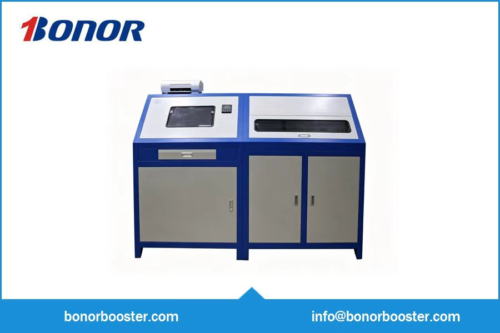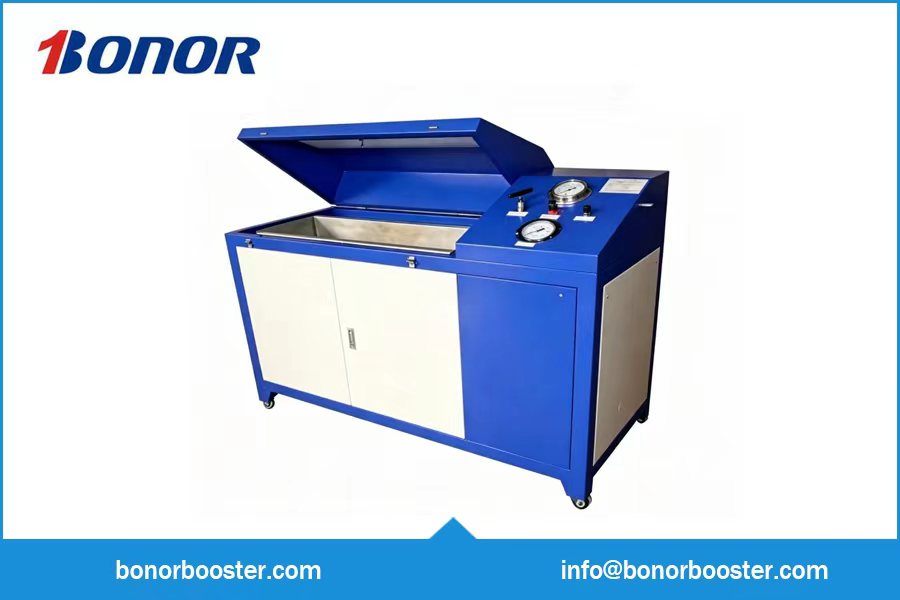
- Test pressure: 0–25 MPa (adjustable)
- Test medium: Water
- Pressure control accuracy: ±0.5%FS
- Test station: 1 station (multi-station optional) (Attached: Screenshot of test software)
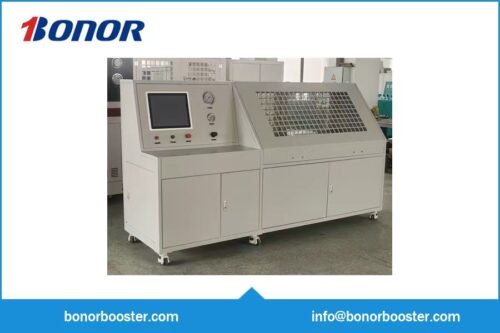
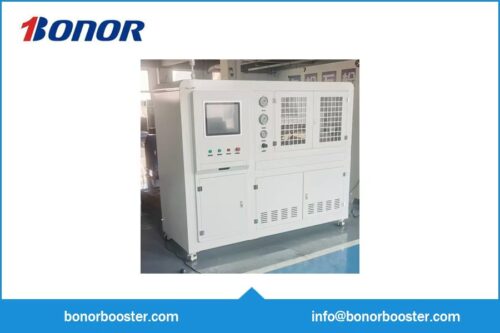
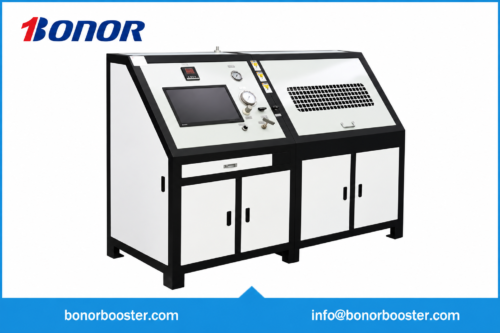
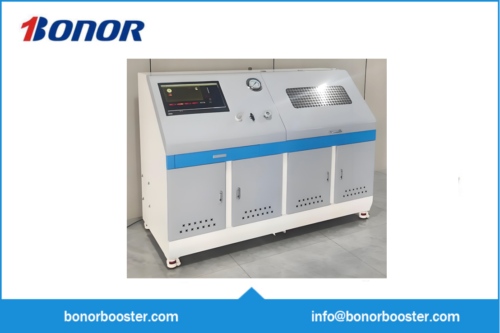
Air Conditioner Accumulator Burst Test Machine
Description
I. Application Scope of Air-conditioning Liquid Receiver Burst Test Machine
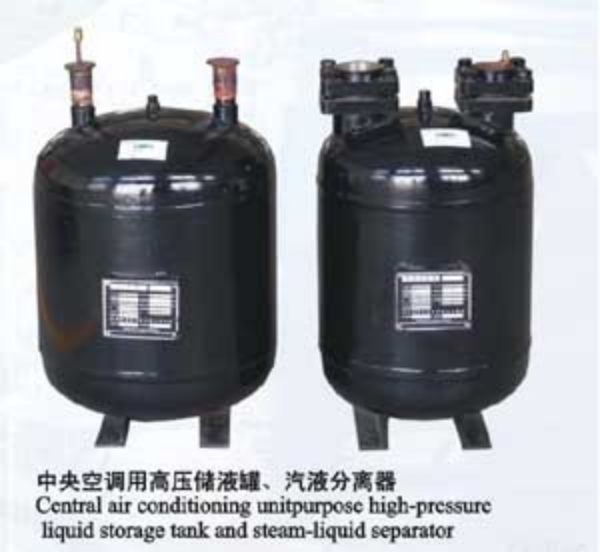
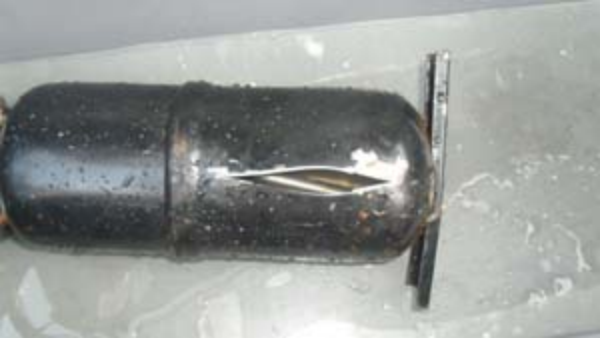
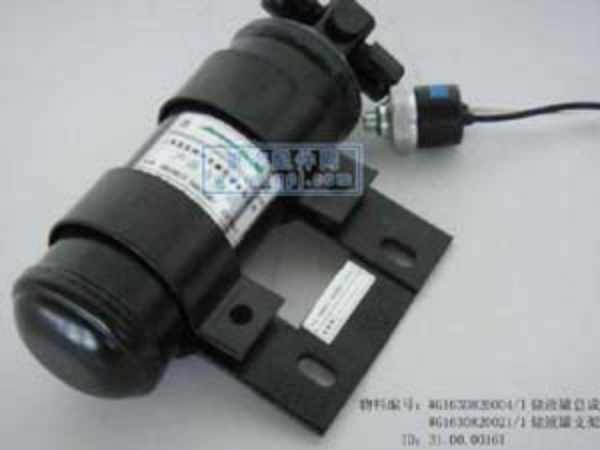
The air-conditioning liquid receiver burst tester is designed for pressure resistance and burst tests on refrigerant recovery & storage tanks of household air conditioners, HVAC refrigeration equipment as well as refrigerant storage tanks for automotive air conditioners; it also serves as a hydraulic burst testing device for air-conditioning gas-liquid separators. This equipment features simple and intuitive operation, stepless adjustable pressure, real-time pressure curve display and other practical functions.
It complies with burst test standards including AISTS6051-2004, GB4706.102-2010 and GB/T15385-2011. The matched computer system supports real-time pressure curve display, test report printing and test data storage.
 |
 |
 |
II. Basic Parameters of Hydraulic Burst Tester for Air-conditioning Gas-Liquid Separator
- Test pressure: 0–25 MPa (adjustable)
- Test medium: Water
- Pressure control accuracy: ±0.5%FS
- Test station: 1 station (multi-station optional) (Attached: Screenshot of test software)
III. Equipment Characteristics of Air-conditioning Liquid Receiver Burst Test Machine
- Accurate control of test pressure and holding time.
- Equipped with booster pump to conveniently realize adjustable and controllable output pressure.
- All spare parts adopt standard components from world-famous brands. The whole structure is designed without welded joints, which brings convenient disassembly and maintenance with safe & stable operation.
- Multiple control modes are available for selection, including manual control, digital pressure gauge display and computer automatic control.
- Built-in camera monitoring function; video playback is supported to accurately locate the initial rupture position, helping users analyze test results more comprehensively.