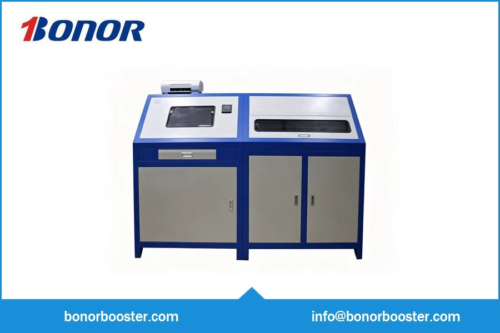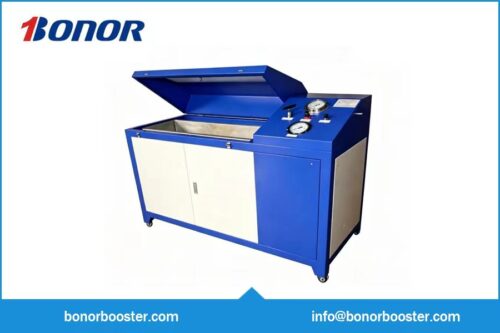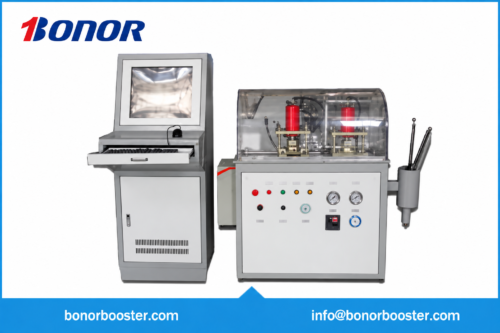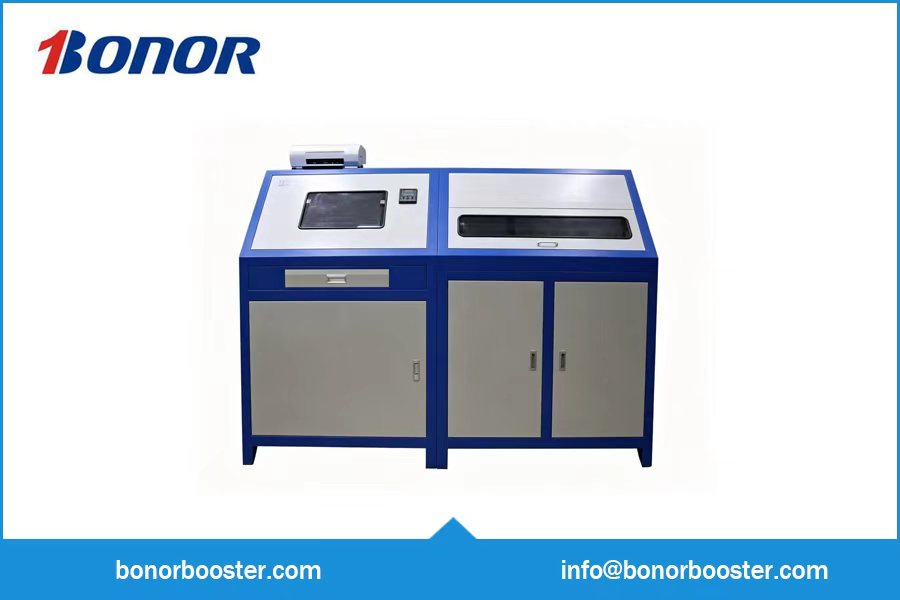
The Pipe Burst testing machine is built for burst and proof-pressure testing. Configured here as air consumption: 1 Nm³/min. Clamping fixtures are quoted around the specimen, and the pressure curve is stored with the test ID.
Description
I. Application Scope
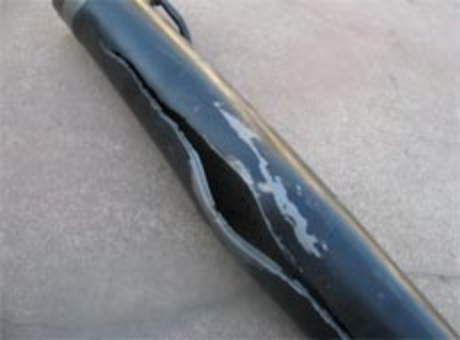
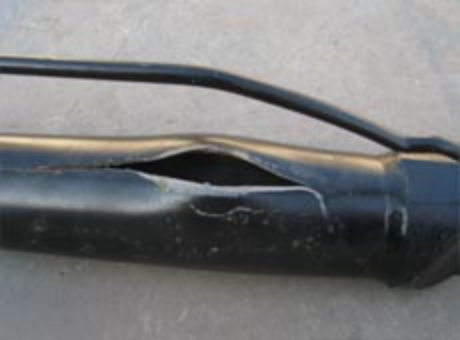
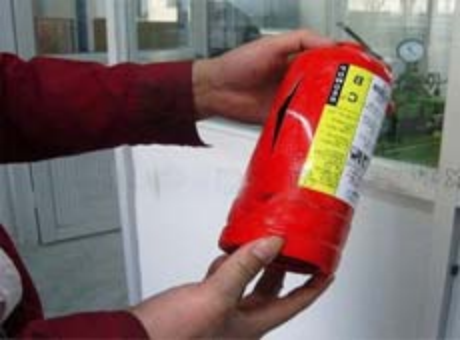
Burst test is a testing method that continuously applies pressure via liquid or compressed air on the surface of standardized polymer sheets (such as films, artificial leather) or the inner wall of pipes and pressure vessels. It measures the pressure at which the sample fractures abruptly to calculate the material burst strength.
This test is adopted to inspect the mechanical properties of pipe fittings, gas cylinders and other products, as well as verify the rationality and reliability of structural design.
Pipe & Gas Cylinder Burst Tester performs hydraulic tests within the pressure range of 0–280 MPa, satisfying burst performance tests for automobile oil cylinders, automotive steel pipes, air-conditioning hoses and air-conditioning pipe fittings.
 |
 |
 |
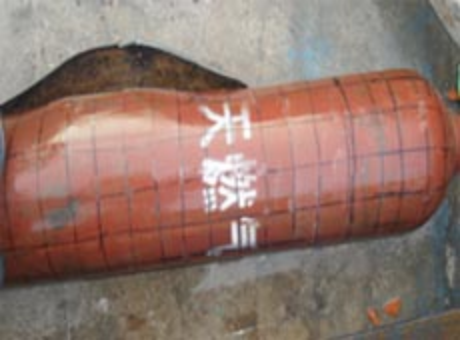 |
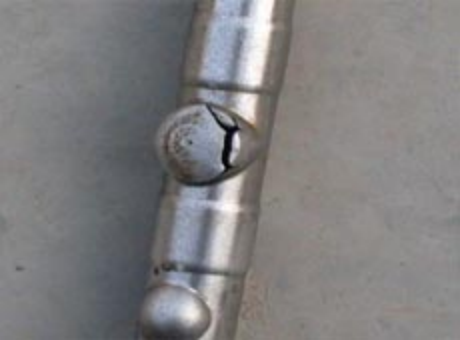 |
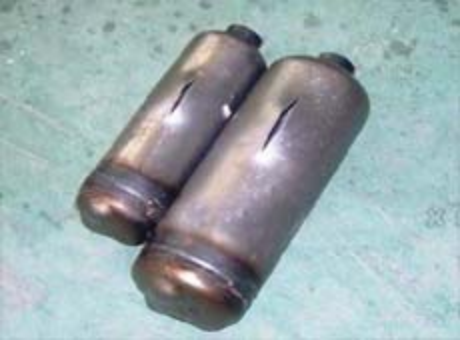 |
II. Features of Pipe & Gas Cylinder Burst Tester
- Equipped with SUP booster pump to realize convenient regulation of output pressure.
- Adopts advanced technology and optimized structural design, featuring compact size, light weight and elegant appearance.
- All pressure-bearing components are standard parts sourced from world-famous brands with welding-free connections. The equipment is easy to disassemble, boasts high safety factor, long service life and convenient maintenance.
- Multiple control modes are optional, including manual control with digital pressure gauge display and computer automatic control.
III. Technical Parameters of Pipe & Gas Cylinder Burst Tester
- Driving air pressure range: 0.1–0.69 MPa; the output pressure is in direct proportion to the driving air pressure.
- Air consumption: 1 Nm³/min
- Test pressure range: 0–280 MPa, customized pressure range is available according to customers’ actual working requirements.
- Available working media: water, hydraulic oil, emulsion liquid and other fluids.
- Portable automatic recorder can be optionally configured as required by customers.
What a burst pressure test bench does in production
A burst number on a datasheet is only worth what the test behind it is worth, and the test is only as good as the bench that ran it. The Pipe Burst testing machine gives your laboratory or production line one fixed reference: same clamp, same rate, same report, every sample. On this configuration the emphasis is pipe testing: the fixture, the ramp profile and the recording settings are arranged around that job first, and other specimen families can be added later.
- Heat exchangers and radiators — tanks, headers and tubes pressure-tested after brazing or welding to catch joint defects that leak only above working pressure.
- Composite tank and CNG vessel workshops — liner and overwrap verification at code-specified multipliers.
- Pipe extrusion and steel pipe mills — finished pipe sampled from every run to confirm the hoop-stress rating with a recorded failure curve.
What makes this Pipe Burst testing machine practical is the way it handles the pipe section: one clamping routine, one pressurisation recipe and one result file, test after test.
What to specify before we build yours
- Recording requirement — whether you need a printed curve per sample, a database record, or only a pass/fail lamp. It is set up here for the pipe section.
- Specimen envelope and clamping — hose bore and length, pipe diameter, cylinder height and the fixture that holds the part without crushing it. On this unit it is arranged for the pipe section.
- Air consumption — 1 Nm³/min (confirmed for this unit).
Configuration on the current build: For this build, air consumption is 1 nm³/min.
Currently configured as: Air consumption: 1 Nm³/min. Other ranges and fixtures are built to order.
What to look for in a burst pressure test bench
Two quotations can quote the same maximum pressure and still be built for different jobs. Before you compare prices, pin down the points below:
- Verify the detection logic on site. Ask the supplier to demonstrate a false-drop test — a slow leak that must not be mistaken for a burst — during commissioning, and record the threshold settings in the acceptance protocol.
- Plan the extraction route for a real burst. Water, debris and a loud release are normal on this kind of bench. Shielding, drainage and easy cleaning decide whether the machine is pleasant or miserable to run every day.
- Fixture fit for the pipe section. The clamping set is drawn around your pipe section drawings first, so the part sits square without shimming — and the same fixture family extends to other sizes later.
Frequently asked questions
What safety measures are needed for air or gas testing?
Gas testing stores far more energy than liquid testing at the same pressure, so the bench needs a vented enclosure, an interlocked door, and a remote start. If your standard allows liquid testing, liquid is always the safer route and needs no enclosure. For the pipe section work this bench is quoted for, that answer is written into the acceptance protocol.
Can the bench also run hold and leak tests, or only bursts?
The same pressure source, fixture and recording chain runs all three. A hold test is a ramp to a target followed by a timed stand; a leak test adds a fine-resolution drop measurement; a burst simply continues the ramp to failure. You switch by loading a different programme, not by changing hardware. On the Pipe Burst testing machine, that is part of the standard delivery, not an option.
Related equipment and further reading
- Pneumatic Emulsifying Pump
- Pipe bursting testing machine
- Air Spring Hydrostatic Burst Test Machine
- Browse the full Burst Pressure Test Bench range
- Where burst benches are used
- How the burst bench works
Bench or fixture questions we have not answered here? Write us the specimen and the standard — a configuration with pricing follows within one working day.