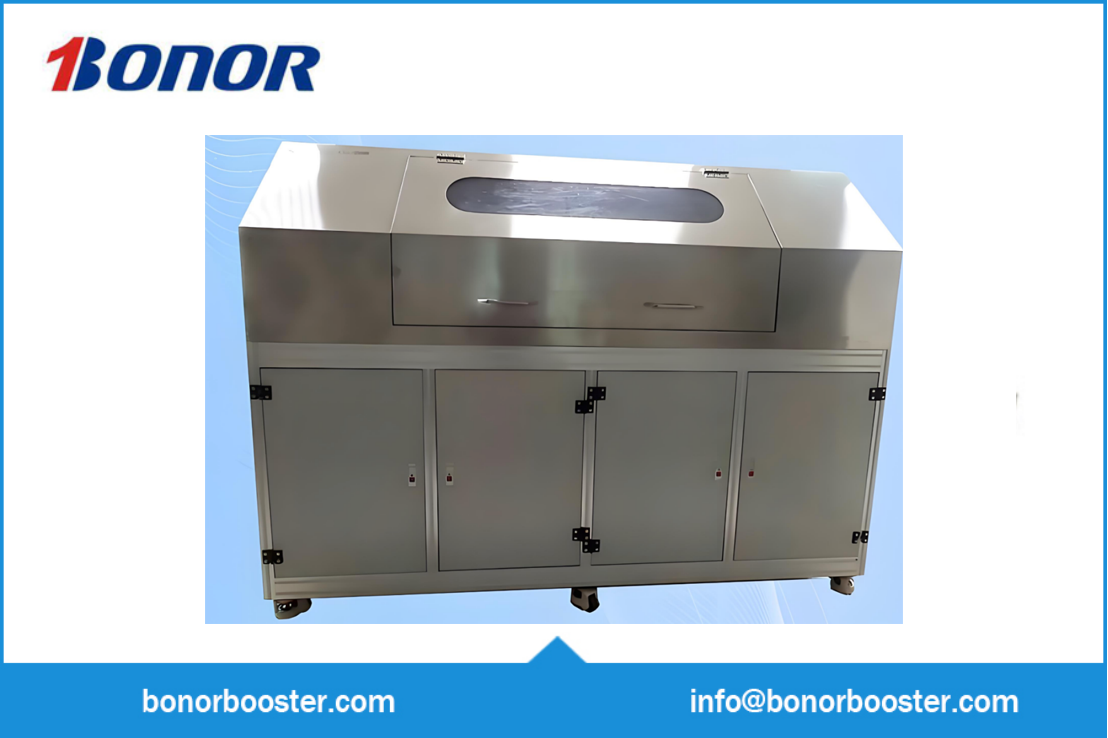
Fire Hose Hydraulic Pressure and Wear Resistance Tester

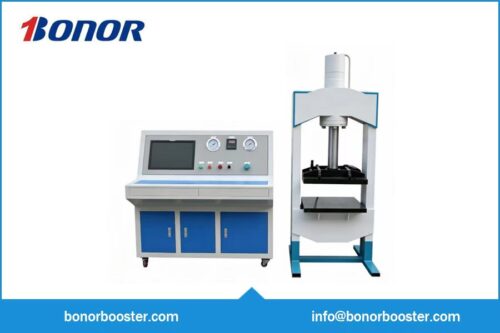
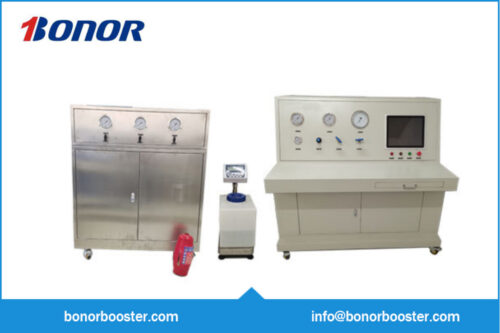
The Fire Hose Hydraulic Pressure and Wear Resistance Tester is built for pressure and burst testing of firefighting equipment. The test sequence is stored as a recipe, so one bench can serve several cylinder sizes and markets.

Minimum Order Quantity: 1 Set

Certifications: ISO/CE/SGS Certified

Warranty Period: 13 Months

Packaging Method: Plywood Case Packaging

Payment Terms: Telegraphic Transfer (T/T), Western Union, Credit Card

Incoterms: Ex Works (EXW), Free On Board (FOB), Delivered Duty Paid (DDP), Cost, Insurance and Freight (CIF), Cost and Freight (CFR)

Delivery Lead Time: Within 10-15 working days after receipt of deposit
Send Inquiry

Description

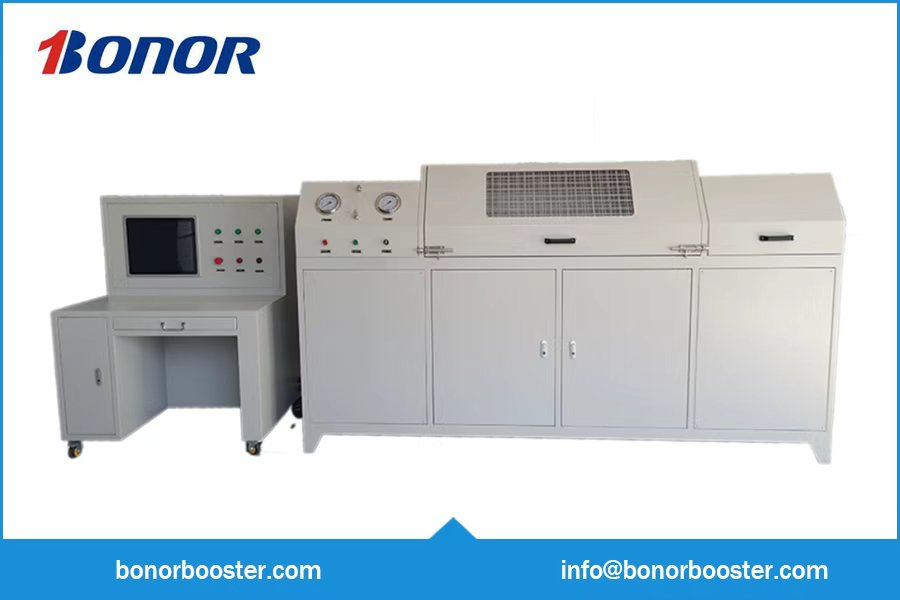
The Fire Hose Hydraulic Pressure and Wear Resistance Tester is a dedicated testing device developed in accordance with GB 6246-2011 Performance Requirements and Test Methods for Lined Fire Hoses. It can simultaneously conduct wear resistance tests, hydraulic pressure tests, and burst pressure tests on fire hoses. Suitable for fire hose manufacturers, quality inspection institutions, and research institutes, it is applied in product factory inspection, quality supervision, and new material R&D verification, ensuring the durability and safety of fire hoses in actual combat.

Core Functions

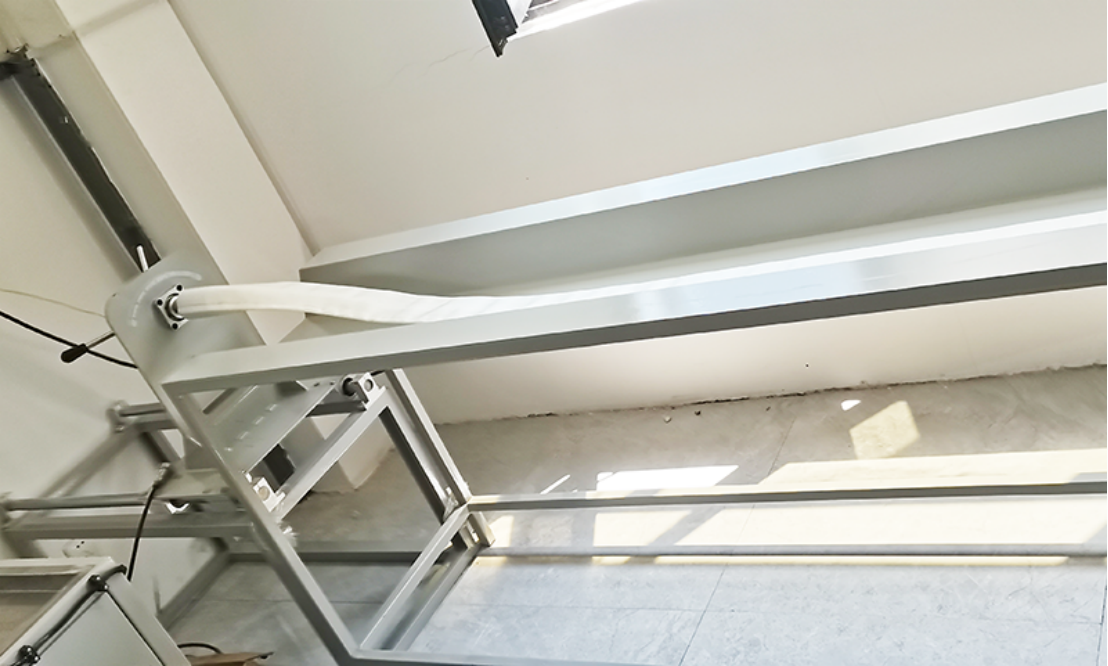
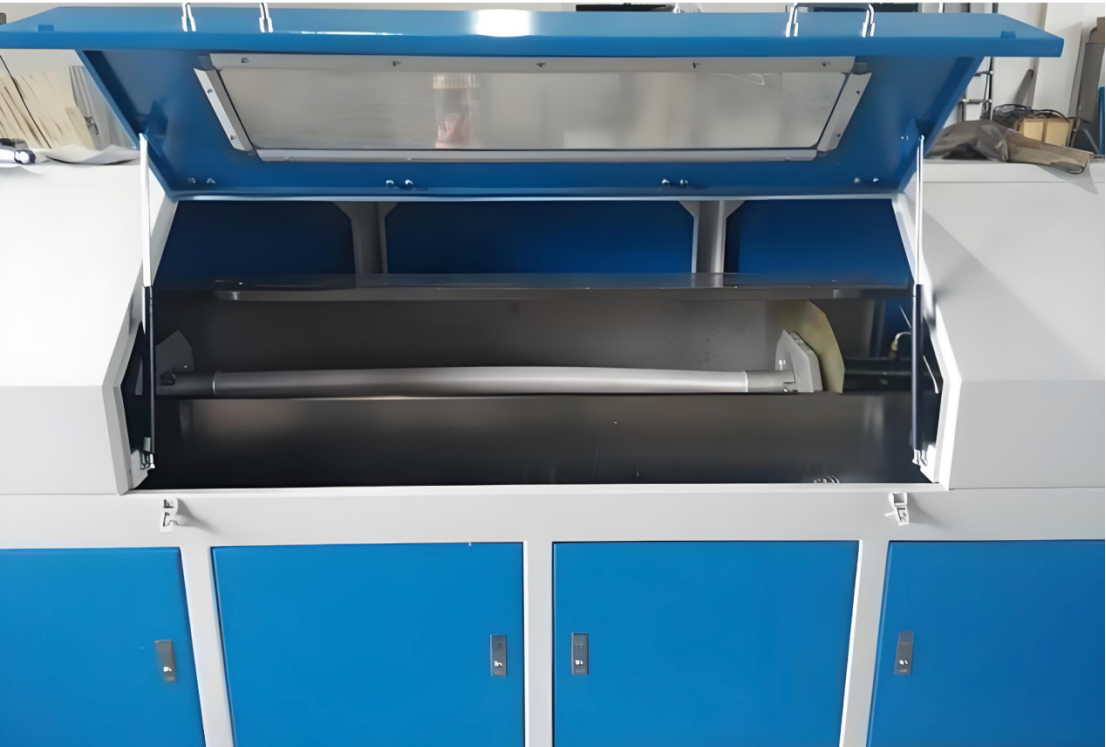
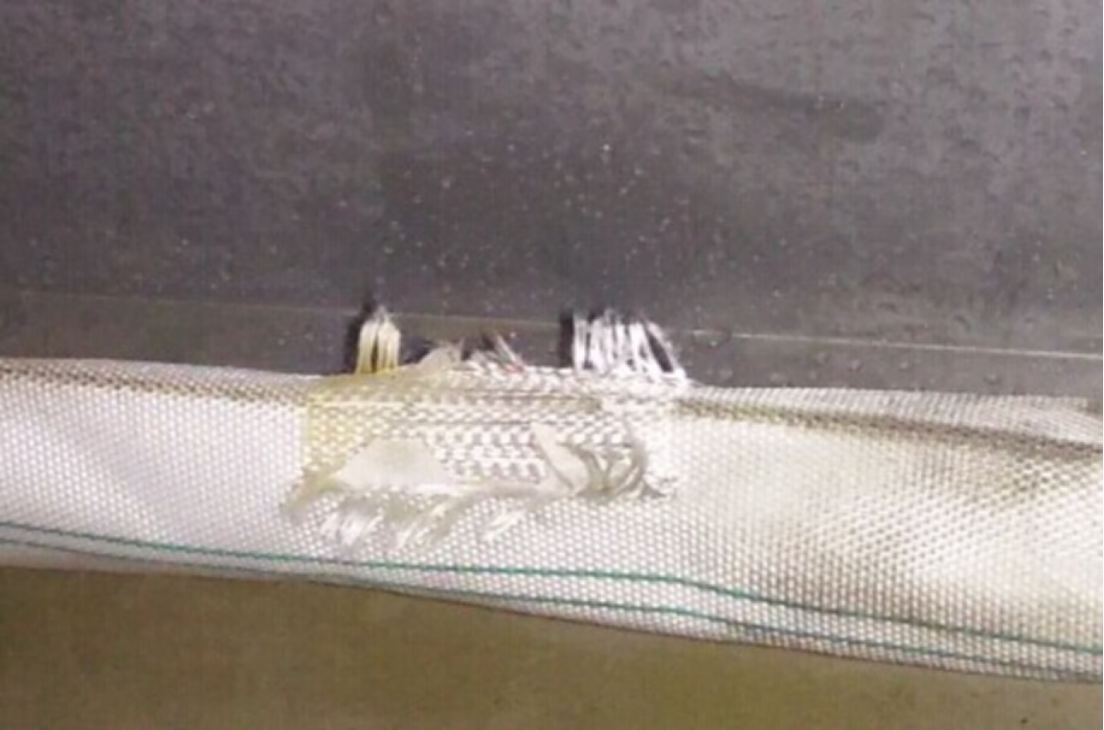
  1. Wear Resistance TestAdopt #240 abrasive belt grinding head to perform reciprocating friction on the hose surface at a pressure of 105N and a speed of 20mm/s (stroke: 80mm, cycles: 100 times). The hose rotates at 27 r/min to simulate dynamic friction conditions in actual use, evaluating the wear resistance of the outer surface.
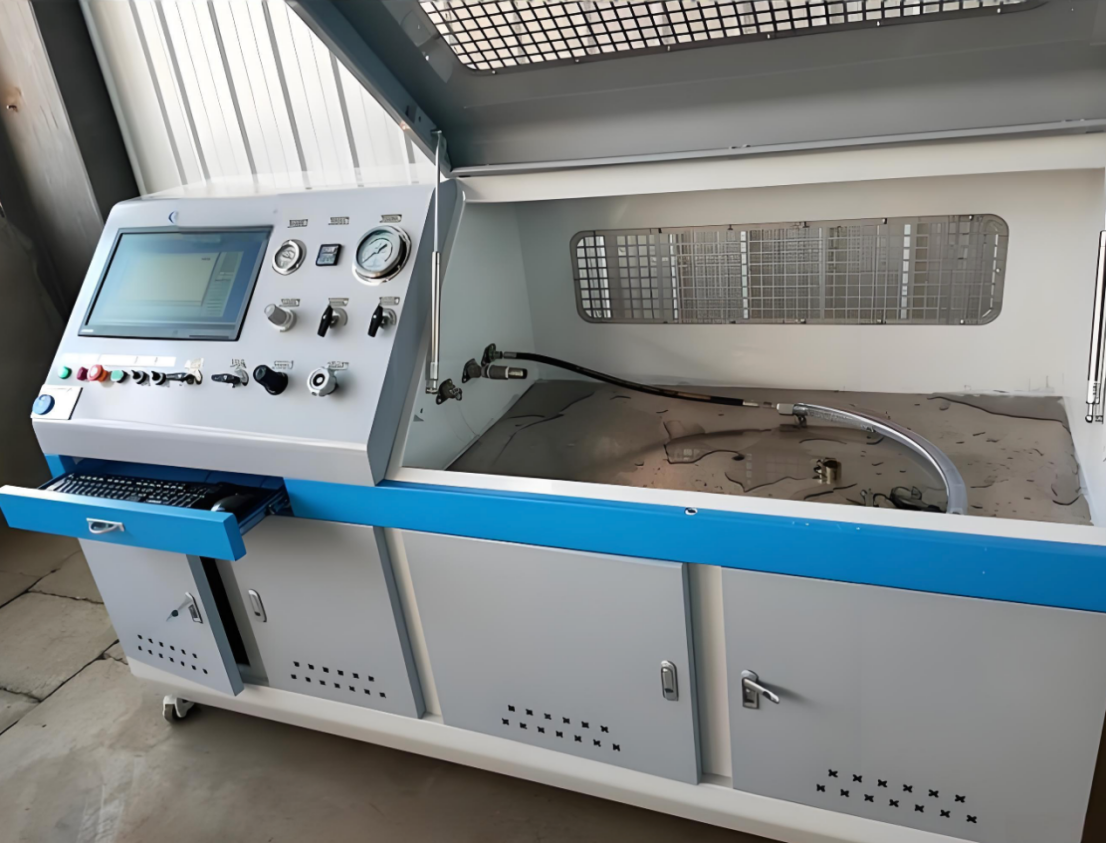
  2. Hydraulic Pressure and Burst TestProvide adjustable and stable hydraulic pressure ranging from 0 to 6.5MPa, supporting pressure holding test at 1.5 times the working pressure and burst test at 3 times the working pressure. It synchronously monitors the tightness and structural integrity of the worn hose to accurately determine the pressure resistance limit.
  3. Automation and DigitalizationAutomatically complete sample clamping, loading, abrasion, pressurization and data collection. Support touch screen/PLC or computer control, real-time record parameters such as pressure, friction cycles and displacement, generate test curves and reports for easy traceability and analysis.
  4. Safety ProtectionEquipped with dual overpressure protection of pressure transmitter and electric contact pressure gauge. The high-pressure pipeline is installed with safety valve and overflow valve. The electrical system has leakage protection and emergency stop functions to ensure safe and controllable test process.

Technical Parameters

Parameter Item Specification Index
Applicable Hose Caliber Φ25mm-Φ150mm
Applicable Hose Model Type 8, Type 10, Type 13, Type 16, Type 20, Type 25
Test Water Pressure Range 0-6.5MPa
Grinding Head Pressure 105N±5N
Grinding Head Reciprocating Speed 20mm/s
Grinding Head Stroke 80mm±1mm
Grinding Head Reciprocating Cycles 100 times
Hose Rotating Speed 27 r/min
Sample Length 500mm
Clamping Method Pneumatic Fixture Automatic Clamping
Control Method Touch Screen + PLC / Computer Control
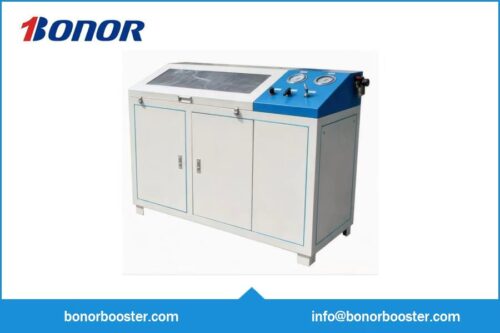
Overall Dimensions (approx.) 1350mm×750mm×1430mm
Equipment Weight (approx.) 170kg

System Structure

  1. Friction MechanismConsists of abrasive belt grinding head, drive motor and reciprocating guide rail to achieve stable linear friction. Some models support automatic abrasive belt shifting to ensure uniform friction.
  2. Hydraulic SystemComposed of high-pressure pump, surge tank and filter device, providing stable test water pressure of 0.45-0.55MPa with a flow rate ≥120L/min to meet the requirements of pressure wear test.
  3. Sample Fixing DeviceAdopt pneumatic fixture/pipe clamp to hold the hose tightly, suitable for hoses of various specifications, preventing slipping during the test and ensuring test accuracy.
  4. Data Acquisition and Control SystemIntegrate pressure transmitter and displacement sensor to collect and process test data in real time, supporting parameter setting, automatic operation and fault alarm.

Application Value

  1. Help manufacturers optimize hose weaving process and lining material formula, improve product wear resistance and pressure resistance, and reduce after-sales risks.
  2. Provide accurate and efficient testing methods for quality inspection institutions, ensure fire hose products comply with national standards, and prevent unqualified products from flowing into the market.
  3. Support research institutes in R&D of new materials and new structure hoses, shorten test cycles, and accelerate the transformation of technological achievements.


Applications of the firefighting equipment test bench

Firefighting equipment is only as good as its last pressure test. Extinguisher bodies, hoses, valves and couplings all have to be proof-tested on a fixed interval, and the Fire Hose Hydraulic Pressure and Wear Resistance Tester is built to run that test at production speed without compromising the record.

  • Fire hose workshops — pressure and burst testing of hose assemblies after repair or on the annual inspection cycle.
  • Inspection and certification bodies — independent verification against EN 3, GB 4351 or the local code.
  • Extinguisher manufacturers — body hydrostatic proof, burst and deformation testing on the production line.

What to specify before we build yours

  • Standard and test sequence — EN 3, GB 4351, GB/T 9251 or the local code, including the hold times and the deformation limit.
  • Cylinder sizes and volumes — from 1 kg portable bodies to wheeled and fixed units; the jacket and the clamp follow the size range.
  • Medium and drying — water is standard, but the bodies must be dried afterwards, so a drying stage is often part of the same cell.
  • Certificate format — the fields your inspector expects: serial number, test pressure, hold time, deformation, operator and date.

How to choose a firefighting equipment test bench

Firefighting testing is a volume business, so cycle time and record quality matter as much as pressure accuracy:

  • Count the steps around the test. Filling, venting, drying and marking often take longer than the pressure hold itself. A bench that integrates them changes the throughput of the whole line, not just the test station.
  • Confirm the deformation measurement method. Water-jacket and weighing methods are both accepted by different codes; the one your certificate has to show determines the fixture.
  • Plan for different cylinder sizes. Interchangeable clamps and jacket inserts are much cheaper than a second bench, but only if they are designed in from the start.

Frequently asked questions

Which standards can the test sequence follow?

The common ones are EN 3 for portable extinguishers, GB 4351 for Chinese-made bodies and GB/T 9251 for hydrostatic test methods, and the bench program is written to whichever of these your market requires. If you export to several markets, the sequence is stored as a recipe and selected per batch.

Does the machine test burst strength as well as proof pressure?

Yes — proof pressure and burst are the same pressure circuit with different set points and different acceptance criteria. A burst test is destructive, so it is normally run on samples rather than on every unit.

How long does one complete test cycle take?

A single-body proof test including fill, hold, drain and record typically takes a few minutes; the exact figure depends on body volume, fill rate and the hold time your standard requires. We quote cycle time for your specific body size rather than an average.

Related equipment and further reading

Need a pressure range, fixture or test standard that is not listed here? Send the specimen list and the standard you test to and we will come back with a configuration and a price within one working day.

Leave Us a Message

Have questions about this product? Fill in the form below and we will reply by email.

Go to Top