Description
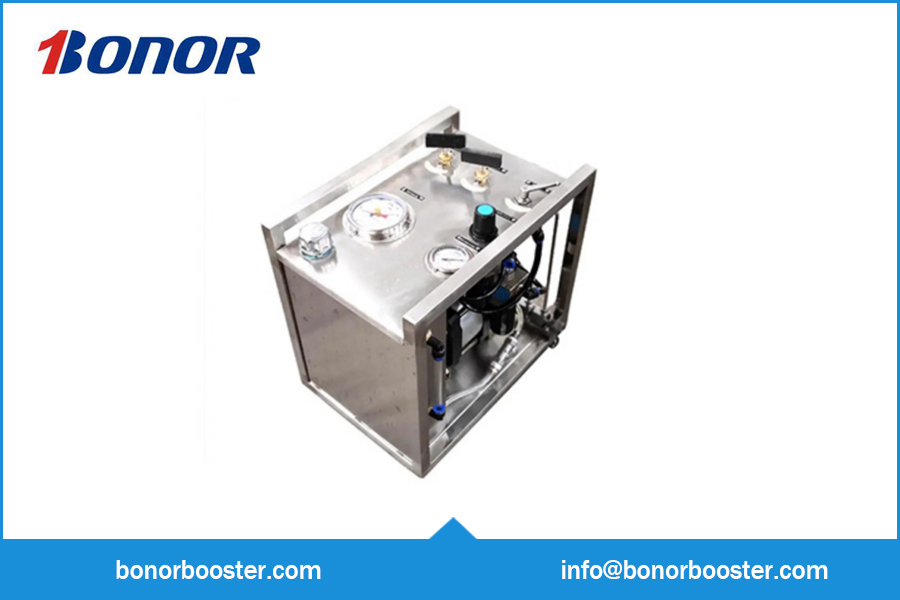
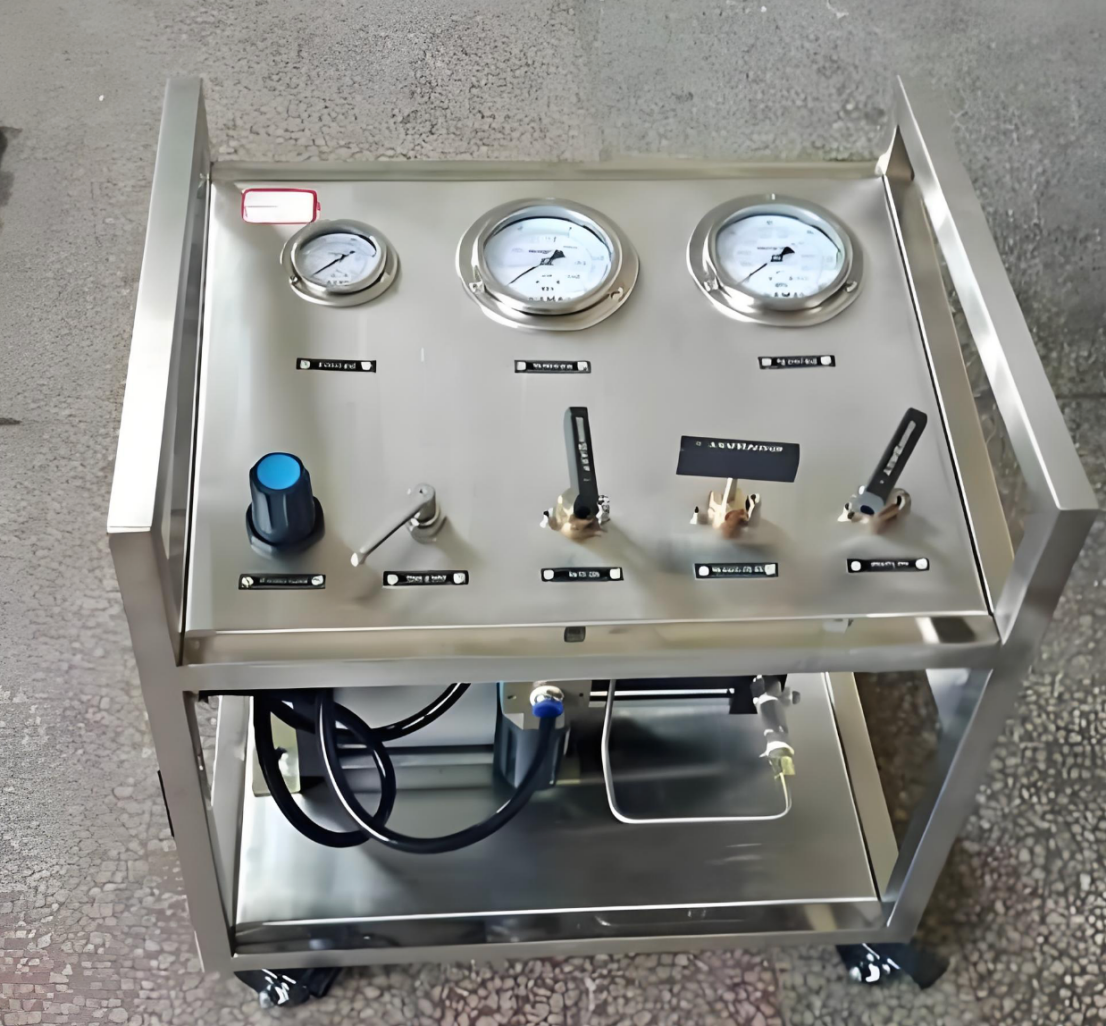
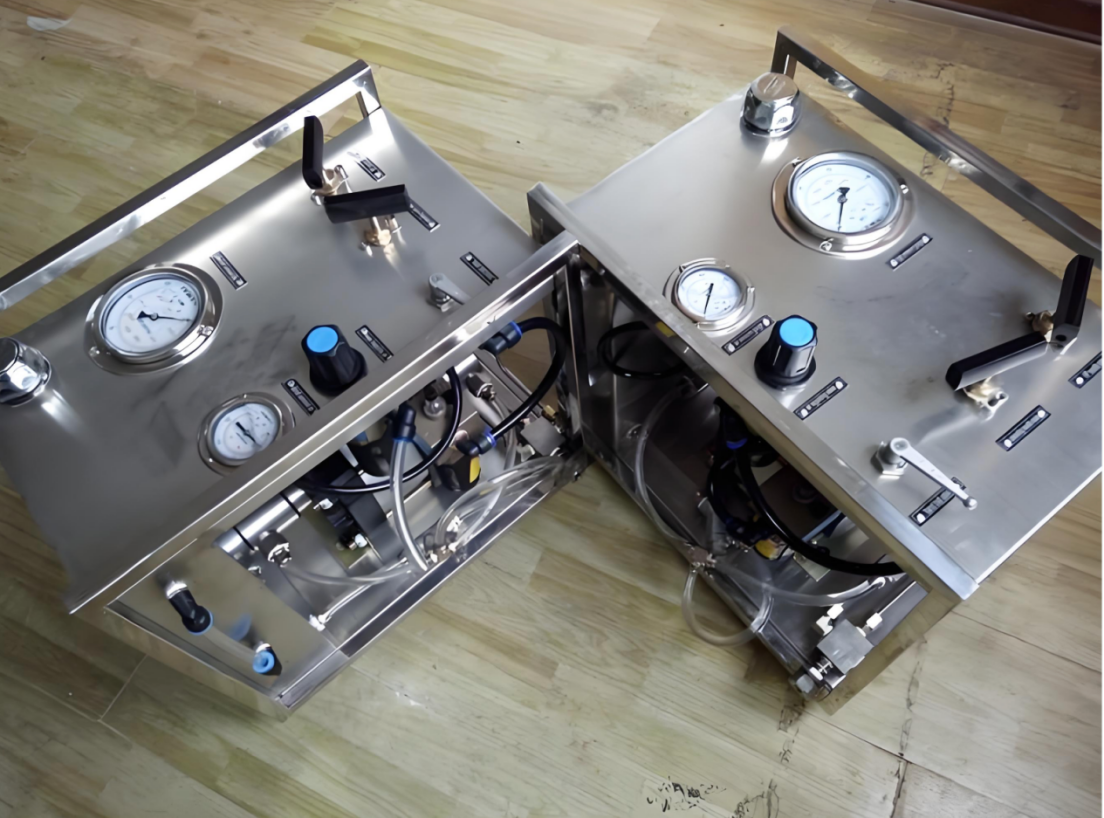
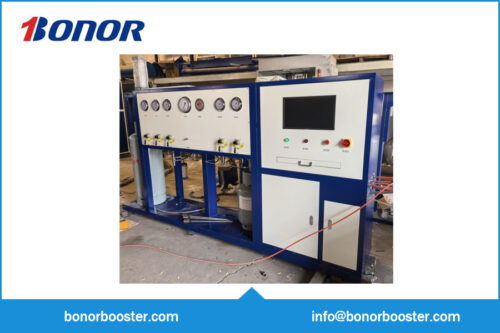
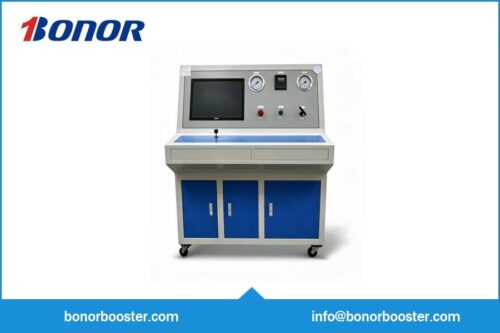
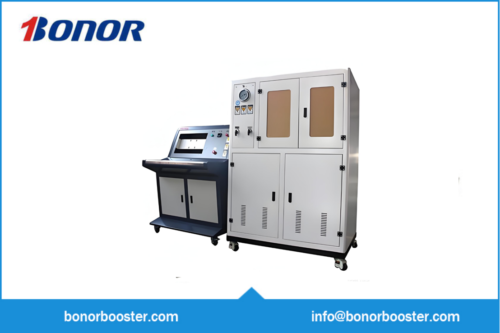
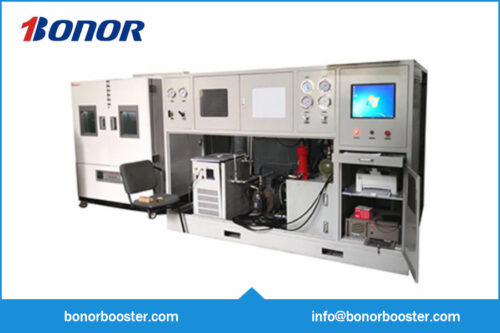
The Portable hydrostatic testing bench is a multi-industry high-pressure operation equipment based on pneumatic drive technology. It integrates portability, safety and high reliability, and is widely suitable for complex working conditions in oil, chemical, coal mining and other fields.
With a compact and small body and light weight, the equipment can be flexibly carried by operators, adapting to narrow operation points such as underground and ground. It has strong power, with a maximum liquid output pressure exceeding 31.5MPa, compatible with emulsion, water and other media. It features high stability, long service life, no frequent maintenance required for daily operation, and can efficiently meet the needs of various high-pressure operations.
Core Features
Compact Size, Space-Saving: Adopting a compact design, no additional large-area placement space is required, suitable for various narrow operation scenarios such as underground and ground.
Lightweight, Easy to Move: Light overall weight allows operators to carry and move it easily, flexibly adapting to the needs of different operation points.
Adequate Output Pressure: The maximum liquid output pressure can exceed 31.5MPa, which can efficiently meet the requirements of various high-pressure operation scenarios.
Wide Application Range, High Reliability: Compatible with working media such as emulsion and water, adapting to the needs of multi-industry operations; high equipment stability, long service life, and more worry-free daily operation.
Safe Operation, Suitable for Hazardous Scenarios: Adopting pneumatic drive mode, there is no electric arc or spark during operation, and it can be safely used in hazardous locations such as coal mines and oil-gas fields.
Easy Maintenance, Cost Reduction: With a small number of components and seals, simple structure, easy disassembly and maintenance, it greatly saves workers’ maintenance time and subsequent maintenance costs.
Wide Applications
Oil Exploration and Processing: Suitable for global oil and gas field operations, used to quantitatively inject chemicals into oil wells, gas wells and pipelines to solve blockage and freezing problems and restore production capacity.
Chemical Production: Quantitatively deliver reaction raw materials to high-pressure reactors, adapting to diverse working condition requirements.
Coal Mine Applications
Underground Applications:
Temporary support during underground roadway repair;
Operation in the open-off cut of underground working faces;
Advance support for underground excavation faces;
Replacement or reinforcement support when replacing underground beams and legs;
Pressure column operation for small slope hoisting winches underground;
Coal seam water injection in underground working faces;
Used for rerailing derailed large underground equipment and supports with single props or oil cylinders.
Ground Applications:
Maintenance of ground supports, oil cylinders and other equipment;
Other scenarios requiring temporary support or bracing.
This product has the advantages of small size, light weight, high output pressure and wide application range, and can flexibly adapt to various coal mine operation scenarios.
Where a hydrostatic pressure test bench is used
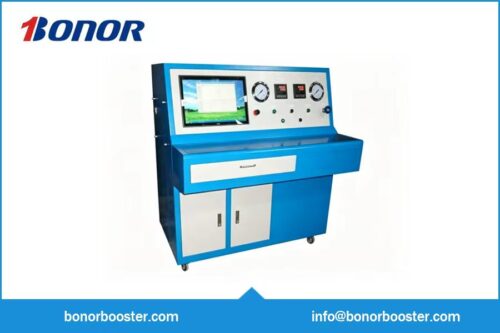
Most hydrostatic benches are bought for one part family and end up testing five. The Portable Hydrostatic Testing Bench is specified with that future in mind — shared pressure section, exchangeable fixtures, and software recipes per part family.
- Autoclave and process-tank service companies — periodic in-situ testing with portable pump sets.
- Gas cylinders and pressure vessels — requalification and factory acceptance testing, with or without a water jacket for permanent-deformation measurement.
- Field-service teams — compact benches that travel to the cylinders instead of the other way round.
In daily use the Portable Hydrostatic Testing Bench sees mostly part testing. That decides the fixture style, the approach rate and what the operator actually does between tests.
What to specify before we build yours
- Connection and sealing method — flanges, threaded plugs, quick couplings or a clamping table, matched to the parts you test most often. It is set up here for the part.
- Media and water quality — fresh water, inhibited water, oil or glycol; stainless and galvanised parts need inhibition or a different medium. On this unit it is arranged for the part.
Selecting a hydrostatic pressure test bench for your line
A hydrostatic bench is a ten-year tool, so it pays to specify it for the work you will actually do, not the work you do today:
- Check what happens when a part fails the test. A real workshop needs a safe dump, a clear fail indication and a record that shows where the pressure went. Benches designed only for passing parts make failures awkward.
- Ask about fixture changeover time. If your mix includes several diameters, the minutes per changeover decide the real daily throughput. Quick-change plugs and adjustable rests pay back quickly.
- Fixture fit for the part. The clamping set is drawn around your part drawings first, so the part sits square without shimming — and the same fixture family extends to other sizes later.
Frequently asked questions
What is a water-jacket test and do I need it?
In a water-jacket test the cylinder is submerged in a calibrated jacket and the water displaced by expansion is read in a burette, which gives permanent and total deformation without weighing the cylinder. It is required by several cylinder requalification standards and is optional for simple proof testing. For the part work this bench is quoted for, that answer is written into the acceptance protocol.
Can the same bench do shell test and seat test?
Yes, if the fixture is designed for it. Shell testing pressurises the whole body with the closure sealed off; seat testing pressurises one side of the closure and measures leakage at the other. A valve test bench usually has both circuits and a selector valve between them. For the Portable Hydrostatic Testing Bench this is part of the standard scope, confirmed in the quotation.
Related equipment and further reading
If your parts are not among the applications above, send a photo or drawing with the test pressure and our engineers will propose a fixture and a cycle time within one working day.