Description
1. Application Scope of Plastic Ball Valve Hydrostatic Pressure & Burst Test Equipment
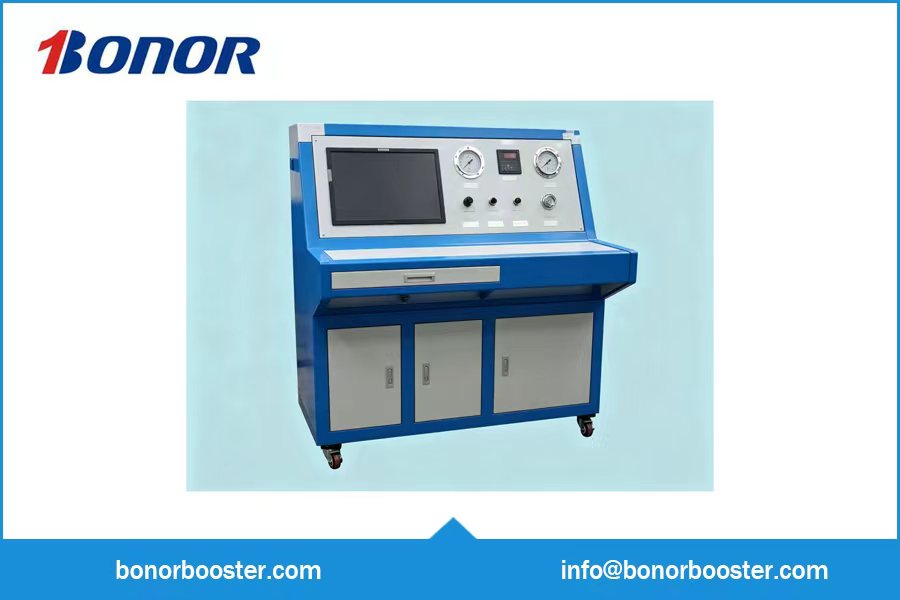
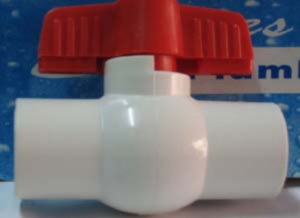
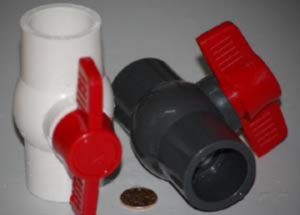
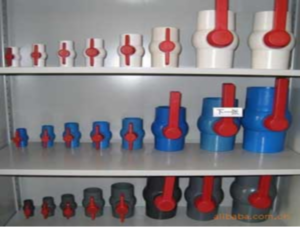
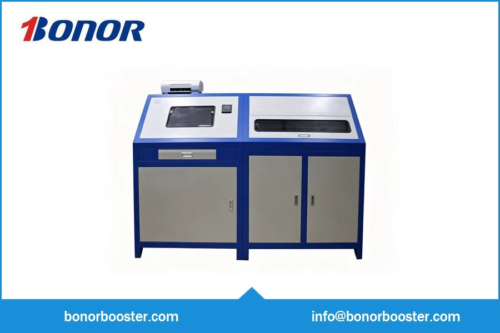
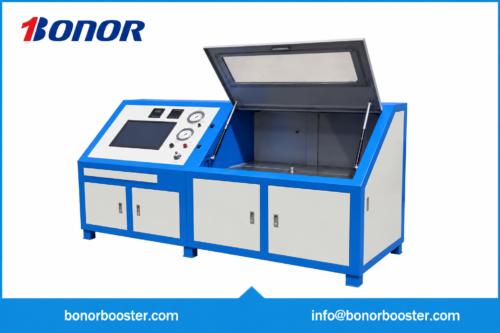
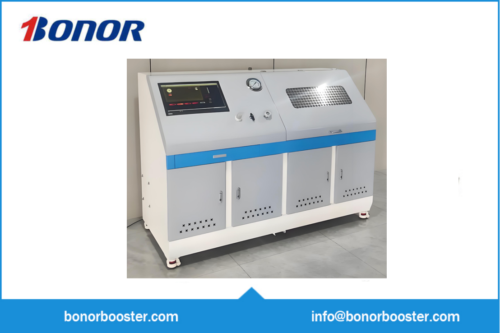
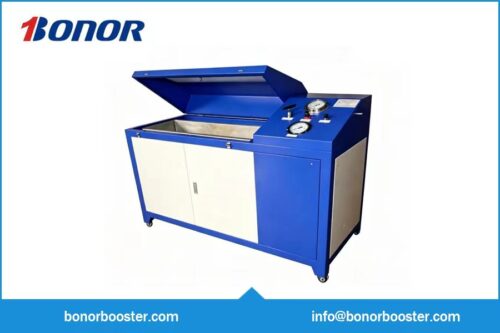
The plastic ball valve pressure burst test equipment is mainly applied to measure the pressure failure duration and instantaneous burst pressure value of thermoplastic ball valves (PP-R, PP-B, PP-A, PE, PE-X, PVC, PVC-U, PVC-C) under long-term constant internal pressure and constant temperature conditions. It is essential inspection equipment for plastic valve manufacturers and testing institutions, which can fully reflect the product quality level of enterprises.
This equipment complies with the standards JB/T8861-2004 and HG/T3732-2004 (Hydrostatic Endurance Test and Technical Specifications for Plastic Ball Valves). The supporting computer system can display real-time pressure curves, print test reports and store test data.
II. Basic Parameters
- Test medium: Water
- Test pressure: 0–10 MPa (adjustable)
- Pressure control accuracy: ±0.5%FS
- Temperature control range: Ambient temperature ~ 95°C
- Temperature control precision: Average temperature deviation ≤1°C, overall tolerance ±2°C
- Timing range: 0–9999 h
- Test station: 1 station (multi-station optional) (Attached: Screenshot of test software)
III. Features of Plastic Ball Valve Pressure Burst Test Equipment
- Precise control of test pressure and test temperature.
- Equipped with booster pump to realize stepless adjustment and stable control of output pressure.
- All components adopt standard parts from internationally renowned brands; the whole system adopts non-welded connections for easy disassembly & maintenance with safe and efficient operation.
- Multiple optional control modes: manual control, digital pressure gauge display, computer automatic control, etc.
- Adopts self-developed control software, supporting test parameter configuration, real-time pressure curve display, as well as storage and printing of complete test reports.
Typical uses of a burst pressure test bench
A burst number on a datasheet is only worth what the test behind it is worth, and the test is only as good as the bench that ran it. The Plastic Ball Valve Pressure and Burst Testing Machine gives your laboratory or production line one fixed reference: same clamp, same rate, same report, every sample. The typical workload here is plastic ball valve, so the clamping and detection settings are tuned for that from the factory; commissioning includes running your own samples to prove it.
- Pressure vessel and cylinder validation — shells, receivers and extinguisher bodies checked for burst strength and permanent deformation before type approval.
- Kitchen and sanitaryware production — porcelain and composite parts checked for lamination faults that only show at pressure.
- Valve body verification — bodies and bonnets proof-pressured above rating before assembly.
Every Plastic Ball Valve Pressure and Burst Testing Machine is laid out around its duty cycle, and here that means plastic ball valve. The controls, the guards and the record format follow from that.
What to specify before we build yours
- Specimen envelope and clamping — hose bore and length, pipe diameter, cylinder height and the fixture that holds the part without crushing it. On this unit it is arranged for the valve.
- Maximum test pressure and pressure-holding time — the bench is sized around your highest specimen rating plus a safety margin, not around the average. It is set up here for the valve.
- Test pressure — 0–10 MPa (adjustable) (confirmed for this unit).
This unit is configured as follows: For this build, test medium is water. As configured, test pressure is 0–10 mpa (adjustable).
Currently configured as: Test pressure: 0–10 MPa (adjustable). Other ranges and fixtures are built to order.
What to look for in a burst pressure test bench
Two quotations can quote the same maximum pressure and still be built for different jobs. Before you compare prices, pin down the points below:
- Match the pressure range to the specimen, not to the catalogue. A bench rated at 0 MPa running at 0 MPa loses resolution in both the gauge and the control loop. Ask for a range that puts your normal valve test point in the middle third of the scale.
- Count the specimens per day before sizing the pump. A laboratory doing five careful tests and a production line doing two hundred need different pressurisation, different fixtures and different levels of automation. Buying headroom you never use wastes money; buying too little stops the line.
- Fixture fit for the valve. The clamping set is drawn around your valve drawings first, so the part sits square without shimming — and the same fixture family extends to other sizes later.
Frequently asked questions
How is the burst point detected automatically?
The controller samples pressure at a fixed rate and stops the test when pressure falls by more than a set percentage inside a short window, which is the signature of a fracture. A pressure-relief valve and a burst shield sit behind that logic so the test cell stays safe if the detection is late. On this build the valve is the reference case, and the setting is proven with your samples at commissioning.
What is the difference between radial and axial clamping for hoses?
Radial gripping squeezes the hose cover and can allow a small slip at very high pressure; axial loading pulls the fittings apart the way service does. The right choice depends on what you need to learn — fitting retention or wall strength. Many labs keep both and pick per sample. Every Plastic Ball Valve Pressure and Burst Testing Machine we ship is commissioned against this point with your own samples present.
Related equipment and further reading
Tell us what you burst, at what pressure, and how many per day — send the specimen list and we will reply with a layout, a cycle time and a price within one working day.